
Israeli Firm Accused of Spying on Starlink Users Via Ad Networks
Translated & summarized from Now 14 by baba
Israeli advertising company Discover-Tech is accused of spying on Starlink users by exploiting ad networks to track terminal locations, according to a Reuters investigation. The company allegedly purchased ad space to gather user telemetry and pinpoint locations, which are strategically important in conflict zones like Ukraine. Major tech firms like Google and Comcast have since blocked Discover-Tech's operations.
The story in 5 lines · by baba
- Israeli firm Discover-Tech allegedly spied on Starlink users via ad networks, Reuters reported.
- The company exploited ad trading systems to track the precise locations of Starlink terminals globally.
- Starlink terminal locations are a key intelligence target, especially in conflict zones like Ukraine.
- Discover-Tech was previously linked to tracking government and media targets by other security firms.
- Google and Comcast have blocked Discover-Tech's advertising activities following the findings.
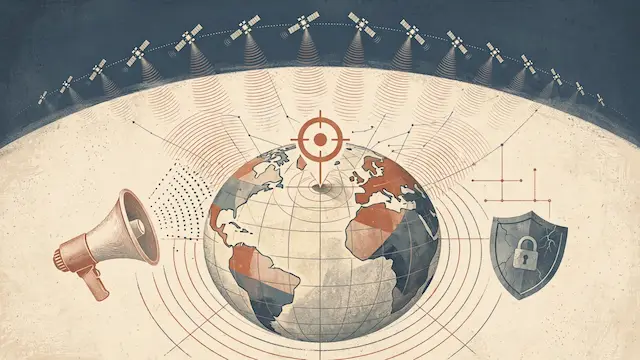
An Israeli digital advertising company, Discover-Tech, is suspected of spying on users of SpaceX's Starlink satellite internet service, according to an extensive international investigation by Reuters. The probe, based on information from six sources familiar with the matter, suggests Discover-Tech acted as the largest buyer of digital ad space targeting Starlink users in over 100 countries. The company allegedly aimed to conduct geolocation and intelligence gathering by exploiting automated ad trading mechanisms. Instead of directly hacking the satellite network, Discover-Tech aggressively bid on ad placements, allowing it to extract telemetry data, cross-reference technical information, and pinpoint the exact physical locations of Starlink terminals. In some instances, this method could have opened a pathway for spyware insertion.
Starlink terminal locations have become a high-priority intelligence target for global militaries and governments. Because the satellite communication operates independently of local internet and cellular infrastructure, it serves as a crucial information channel in conflict zones, notably in Ukraine, where forces rely on the terminals for drone targeting and continuous combat management. Tracking these terminals provides real-time surveillance capabilities of forces in the field and sensitive sites.
This report follows previous findings by the Canadian organization Citizen Lab and security firm Confiant, which linked Discover-Tech to an international ad network designed to track government targets, media outlets, and tech company employees, as well as connections to Israeli offensive cyber actors. In response to these revelations, major technology companies, including Google and Comcast, have blocked Discover-Tech's activities on their advertising platforms. At least one American corporation has launched an internal investigation into potential data leaks. Neither SpaceX nor Discover-Tech provided a comment to Reuters regarding the publication.


