
Health Ministry Advises Against Travel to Congo, Neighboring Nations Due to Ebola Outbreak
Translated & summarized from Davar by baba
Israel's Ministry of Health has advised against travel to the Democratic Republic of Congo and its neighboring countries due to an Ebola outbreak, which has caused over 9,800 cases and 4,750 deaths in the DRC. Travelers to Kenya and Nigeria are also urged to reconsider their trips. Individuals returning from affected areas with symptoms must self-isolate and contact health authorities. The ministry provided specific guidance on precautions and symptom management.
The story in 5 lines · by baba
- Israel's Health Ministry recommends avoiding travel to the Democratic Republic of Congo and neighboring nations due to an Ebola outbreak.
- The DRC has reported over 9,800 confirmed Ebola cases and at least 4,750 deaths.
- Travel to Kenya and Nigeria is also being reconsidered due to recent reported cases.
- Ebola symptoms include fever, muscle aches, vomiting, and diarrhea, with a 2-21 day incubation period.
- Returning travelers with symptoms must self-isolate and contact the Ministry of Health hotline.
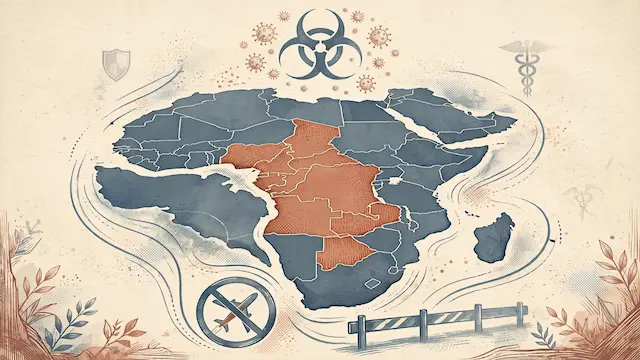
Israel's Ministry of Health has issued travel advisories recommending against non-essential travel to the Democratic Republic of Congo (DRC) and its bordering countries due to an ongoing Ebola outbreak. The ministry also advises reconsidering travel to Kenya and Nigeria, where cases have recently been reported, though no community transmission has been confirmed there yet. The recommendations were published following reports of the Ebola virus outbreak in the DRC and additional cases in other African nations.
The DRC has reported over 9,800 confirmed cases and at least 4,750 deaths from Ebola. The ministry specifically advises avoiding travel to the affected provinces in the DRC, including Ituri, Nord-Kivu, Sud-Kivu, Haut-Uélé, Tshopo, Bas-Uélé, Sud-Ubangi, and Nord-Ubangi. Non-essential travel to other parts of the DRC and to bordering countries such as Uganda, South Sudan, Central African Republic, Rwanda, Burundi, Tanzania, Zambia, Angola, and the Republic of Congo is also discouraged.
For travelers to Kenya and Nigeria, the Ministry of Health suggests carefully considering the necessity of their trips. Anyone traveling to these regions is urged to take precautions outlined on the Ministry of Health website, stay updated on local health authority recommendations, and consult a travel clinic before departure.
Ebola is a contagious and fatal viral disease characterized by symptoms such as fever, muscle aches, vomiting, and diarrhea, with an incubation period of 2 to 21 days. Transmission occurs through direct contact with bodily fluids of infected individuals or deceased persons, or through contaminated objects or infected animals. The Ministry of Health has provided specific instructions for individuals returning from the DRC: if they develop a fever above 38 degrees Celsius or other unusual symptoms within 21 days of their stay, they must remain home, avoid contact with others, and call the Ministry of Health hotline at *5400 for guidance. They are also instructed not to go to a medical facility without prior coordination, and to mention their stay in the DRC during the call.
The article also provides historical context on Ebola, noting its first description in Central Africa in 1976 and a significant outbreak in West Africa in 2014 that infected approximately 30,000 people, with a mortality rate of around 40%. The World Health Organization declared the current outbreak a "public health emergency of international concern" in May 2026, but not a widespread pandemic, and did not recommend border closures or travel restrictions.
Mentioned
The same event, reported separately by each outlet. Open a few to compare what different newsrooms emphasize — and what they leave out.
Left 1Right 1Other 1


Not the same event — other stories that share this one’s people, places, or theme: background, reactions, and follow-ups.


