
Netanyahu's Economic Warnings Spark Concern Among Israeli Financial Experts
Translated & summarized from Ice by baba
Prime Minister Benjamin Netanyahu's recent suggestions of using cryptocurrencies to counter potential international sanctions and a banking blockade have drawn sharp criticism from senior Israeli economic figures. Economic commentator Keren Marciano reported that these figures find the Prime Minister's statements illogical and poorly timed, especially before elections. The remarks, coupled with a recent AI-generated image of a nuclear bomb over Tel Aviv, have sparked debate about Netanyahu's 'fear campaign' tactics versus genuine warnings of existential threats.
The story in 6 lines · by baba
- Senior Israeli economic figures are questioning Prime Minister Netanyahu's statements on sanctions and crypto.
- Commentator Keren Marciano reported that many economic experts believe Netanyahu is "out of touch."
- Netanyahu suggested using cryptocurrencies to bypass potential international banking sanctions.
- The Prime Minister's remarks have raised concerns about Israel's financial stability and banking confidence.
- The timing of the statements, near elections, has fueled debate about a "fear campaign."
- Netanyahu also recently shared an AI image of a nuclear bomb over Tel Aviv.
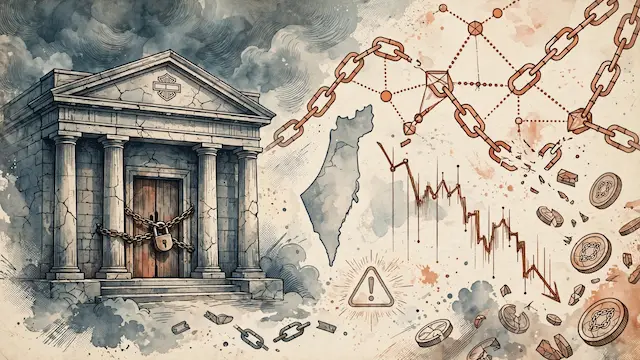
Prime Minister Benjamin Netanyahu's recent remarks about the possibility of Israel facing international sanctions and a banking blockade, and his suggestion of using cryptocurrencies to counter such scenarios, have caused a stir in the economic sector. Keren Marciano, the economic commentator for Channel 12 News, reported on Sunday that she spoke with senior economic figures in Israel who are struggling to understand the logic and timing of Netanyahu's statements, especially just days before elections.
Marciano stated on air that "very few dare to speak out" on matters of financial and banking stability, but "what everyone is saying is: Netanyahu has lost his mind." She added that none of the sources she spoke with could comprehend why the Prime Minister is presenting such a grim economic forecast and proposing a solution that serious economists, from the Bank of Israel to academics, do not endorse.
The report comes amid Netanyahu's discussion of a scenario where Israel could face severe international sanctions, including a banking and financial blockade that could damage its ties with the global financial system. In this context, Netanyahu raised the idea of using cryptocurrencies to bypass financial restrictions if imposed on Israel. This proposal has drawn criticism from economic circles, fearing that such a scenario presented by the Prime Minister could undermine confidence in the banking system and Israel's financial stability.
Furthermore, the very notion of relying on digital currencies to cope with financial isolation raises questions about the practical feasibility of such a move and its ability to replace a country's international banking relationships. Marciano's reporting reflects the criticism from senior economic figures but does not indicate that Israel is actually facing sanctions or a banking blockade. However, when a prime minister presents an extreme scenario concerning economic stability, the manner and timing of these statements can have significant public and economic implications.
The timing is further amplified by another recent publication from Netanyahu, where he shared an AI-generated image depicting an atomic bomb over Tel Aviv, alongside warnings about the existential threat to Israel if Iran acquires nuclear weapons. These two publications, addressing extreme scenarios in security and economics, have ignited public debate about the nature of Netanyahu's messages on the eve of the elections. Some in the political and media spheres interpret this series of warnings as a "fear campaign" aimed at highlighting potential risks to the public, while Netanyahu's supporters may view them as an attempt to alert the public to possible security and economic threats. The dispute centers not only on the existence of risks but also on how the Prime Minister chooses to present them and the feasibility of his proposed solutions.



