
Obama Slams Trump, Blames Him for Iran War and Economic Woes
Translated & summarized from 0404 by baba
Former U.S. President Barack Obama strongly criticized President Donald Trump, blaming him for initiating a war with Iran and causing economic hardship for Americans. Obama defended the 2015 Iran nuclear deal, which Trump withdrew from in 2018, arguing it prevented Iran from obtaining nuclear weapons. The dispute reflects a fundamental disagreement in Washington over how to confront Iran, with Obama favoring diplomacy and Trump advocating for pressure.
The story in 5 lines · by baba
- Former President Barack Obama accused President Donald Trump of starting a war with Iran.
- Obama claimed Trump's policies caused increased fuel and consumer prices in the U.S.
- Obama defended the 2015 Iran nuclear deal, which Trump abandoned in 2018.
- Prime Minister Benjamin Netanyahu had previously criticized the nuclear deal.
- The conflict highlights differing U.S. approaches to Iran: diplomacy versus pressure.
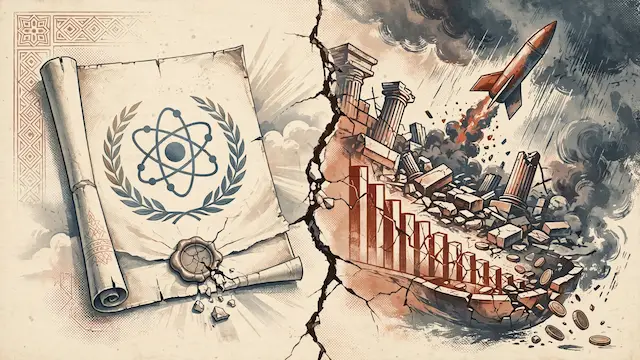
Former U.S. President Barack Obama launched a sharp political attack on President Donald Trump, accusing him of being responsible for initiating a war with Iran and its subsequent economic repercussions on the American public. Speaking at an election rally in Cleveland, Ohio, Obama asserted that the current administration's decisions led to increased prices for fuel, energy, and consumer goods. Obama, who has joined the Democratic campaign ahead of the November 3 midterm elections, described the confrontation with the Iranian regime as an unnecessary war that lacked public support. He stated that the United States is paying a heavy economic and security price due to Trump's Middle East policy.
During his speech, the former president defended the 2015 nuclear deal with Iran, which was signed during his tenure. Obama argued that the agreement successfully prevented Tehran from acquiring nuclear weapons through negotiation, without the need for military force or missile strikes on its facilities. However, the deal, from which Trump withdrew in 2018, has been a focal point of strong criticism from Israel and the Republican camp for years.
Prime Minister Benjamin Netanyahu had previously warned that the agreement did not adequately address the long-term Iranian threat, its ballistic missile program, and the regime's activities through regional terror organizations. Trump, for his part, justified his aggressive policy toward Tehran as necessary to prevent Iran from developing nuclear weapons and to protect the security interests of the United States and its allies. His administration viewed military pressure as a means to confront threats that had not been resolved through diplomatic agreements.
The clash between the two presidents highlights the deep division in Washington regarding how to handle Iran: whether to return to diplomacy and international agreements or to continue applying significant force and pressure against the Tehran regime.
Mentioned

