
Netanyahu's 'Bypass Economy' Vision Sparks Fierce Debate
Translated & summarized from Calcalist by baba
Prime Minister Benjamin Netanyahu's proposal for Israel to prepare for a "bypass economy" using blockchain and digital currencies to counter potential sanctions has sparked strong reactions. While Netanyahu and his advisors suggest this is a serious consideration based on global political shifts, the high-tech and finance industries have vehemently opposed the idea. Critics warn that such a move would isolate Israel, destroy its modern economy, lead to mass unemployment, and cripple the crucial high-tech sector, comparing it to the economic models of Iran and North Korea.
The story in 6 lines · by baba
- Prime Minister Netanyahu is preparing Israel for a "bypass economy" to counter potential sanctions.
- Netanyahu suggested using blockchain and digital currencies to circumvent financial isolation.
- His advisors state he is seriously considering the possibility of sanctions.
- The high-tech industry warned the proposal would destroy Israeli high-tech and the economy.
- Critics compared the idea to the economic models of Iran and North Korea.
- Potential U.S. aid cessation was also discussed as a factor in economic planning.
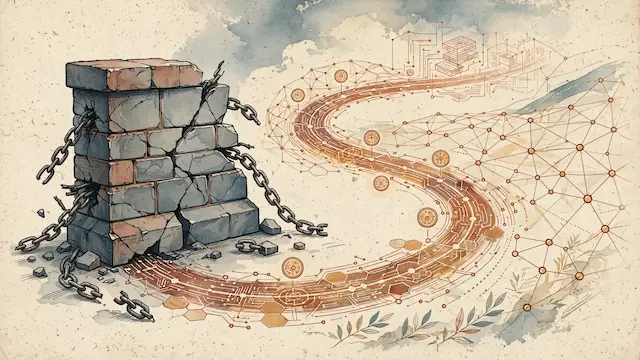
Prime Minister Benjamin Netanyahu's recent remarks about preparing Israel for a "bypass economy" to counter potential banking sanctions have ignited controversy. While some dismissed the comments as a lapse in judgment, individuals who have worked closely with Netanyahu in senior economic roles suggest he is seriously considering such a scenario. Professor Avi Simchon, head of the National Economic Council and Netanyahu's economic advisor, confirmed that the Prime Minister is indeed contemplating this possibility and does not downplay its significance. Another senior figure close to Netanyahu indicated that while there might be an element of "slip of the tongue," the core idea of preparing for sanctions is something he believes in.
This preparation, according to these sources, is partly driven by Netanyahu's analysis of the shifting European political landscape, with a rise in right-wing governments in countries like Spain and France. He reportedly believes that while the European Union as a whole may not impose sanctions, individual nations could, necessitating contingency plans. The Prime Minister's camp also reportedly views the potential cessation of U.S. aid as a positive development, arguing it would lead to more rational procurement decisions for the IDF, free from the influence of aid availability. Netanyahu also alluded to the possibility of relying on blockchain and digital currencies as mechanisms to circumvent financial isolation.
The Prime Minister's statements, made during an interview where he expressed concern about banking sanctions and mentioned instructing preparations for a "bypass economy" using digital currencies, drew sharp criticism from Israel's high-tech and finance industries. Eyal Waldman, founder of Mellanox and now Nvidia Israel, described the idea of a "crypto economy" and economic isolation as "delusional," comparing it to the pariah states of Iran and North Korea. He emphasized the importance of Israel's continued trade with Asia, Europe, and the U.S., warning that economic sanctions would "destroy the economic model" that sustains Israel's modern economy.
Industry leaders, including Professor Itai Atter, head of the Economics Department at Tel Aviv University, warned that sanctions would lead to soaring unemployment, vanishing investments, and a collapse of Israel's global standing. The High-Tech Action Committee issued a strong statement, asserting that Netanyahu's vision "paves the way for the destruction of Israeli high-tech," which relies heavily on free markets and international trade. They argued that without these, companies would close, investments would halt, and operations would move abroad. The committee also criticized the passive acceptance of the threat of sanctions, comparing it to accepting a nuclear Iran and offering bomb shelters instead of preventing the danger.
Mentioned
The same event, reported separately by each outlet. Open a few to compare what different newsrooms emphasize — and what they leave out.
Centre 2Other 1


Not the same event — other stories that share this one’s people, places, or theme: background, reactions, and follow-ups.


