
Israel Faces Choice Between Democracy and Theocracy in Upcoming Election
Translated & summarized from Maariv by baba
Attorney Sofi Ron-Moria believes Israel's upcoming elections will force citizens to choose between a democratic and a theocratic future. She feels alienated from Prime Minister Benjamin Netanyahu's Likud party, arguing it no longer represents her or similar right-wing, religious, and liberal voters. Ron-Moria asserts that Israeli society shifted rightward years ago, and the current political divide is not between left and right, but between a Western democracy and a centralized, theocratic state.
The story in 6 lines · by baba
- Attorney Sofi Ron-Moria states upcoming elections will pit democracy against theocracy.
- She feels abandoned by Benjamin Netanyahu's Likud party since 2019.
- Ron-Moria argues Israeli society shifted rightward much earlier than post-October 7th.
- The current political divide is between a Western democracy and a theocratic state.
- She criticizes Netanyahu's focus on past political divisions.
- Yair Golan's Democrats party is seen as going against the current trend.
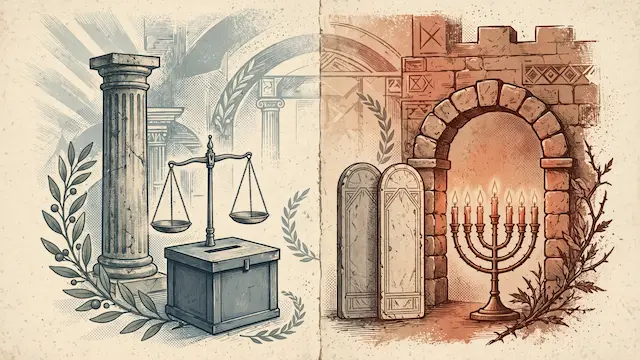
Attorney Sofi Ron-Moria argues that upcoming elections will present Israelis with a stark choice between a Western, democratic state and a centralized, theocratic one. She recounts her personal voting history, starting with the Likud party, but explains that by 2019, she felt abandoned by Prime Minister Benjamin Netanyahu and his bloc, which she believes no longer represents right-wing, religious, liberal, or Judea and Samaria (Yo"sh) graduates.
Ron-Moria contends that Israeli society shifted rightward much earlier than the post-October 7th period, with a consensus against significant territorial concessions and the establishment of a Palestinian state solidifying in the early 2010s. This political unity, she suggests, paradoxically fueled the political crisis that began in April 2019, replacing the old left-right divide with new ones: the "Bibi" versus "not Bibi" split and a more significant "black line" division.
She criticizes Netanyahu's current political strategy, suggesting he is attempting to revive outdated debates, such as the Green Line, with slogans like "Right or Palestine." Ron-Moria asserts that the primary issue in the 2026 elections is the nation's direction, contrasting a Western democracy with a theocratic regime, using examples like the US versus Russia or Canada versus Saudi Arabia.
Ron-Moria dismisses the idea that Israeli society has only recently moved right, stating the shift occurred much earlier. She believes the current political landscape is defined by a division between those who support a Jewish state and those who favor a Haredi (ultra-Orthodox) state. She feels alienated from the Likud, along with other right-wing voters who disagree with government-sanctioned actions, those opposing the judicial overhaul, and liberal religious individuals against gender segregation.
Mentioned


