
Netanyahu Orders Shift in Israel's Falklands Stance Amid UK Sanctions Row
Translated & summarized from Channel 13 by baba
Prime Minister Benjamin Netanyahu has directed Israeli diplomats to change Israel's stance on the Falkland Islands, supporting Argentina's call for direct talks. This move comes after British Foreign Secretary Ed Miliband imposed sanctions on Israeli settlements. The shift does not grant full support for Argentina's sovereignty claims but signals potential backing if more sanctions are levied. The dispute escalates a diplomatic crisis triggered by the UK's sanctions and accusations against Israel.
The story in 5 lines · by baba
- Prime Minister Netanyahu ordered a change in Israel's Falklands policy to support Argentine talks.
- The decision follows UK sanctions on Israeli settlements in Judea and Samaria.
- British Foreign Secretary Ed Miliband imposed the sanctions, accusing Israel of ethnic cleansing.
- The move could signal Israeli support for Argentina if more sanctions are imposed.
- Argentina is renewing diplomatic efforts for the islands following US President Trump's remarks.
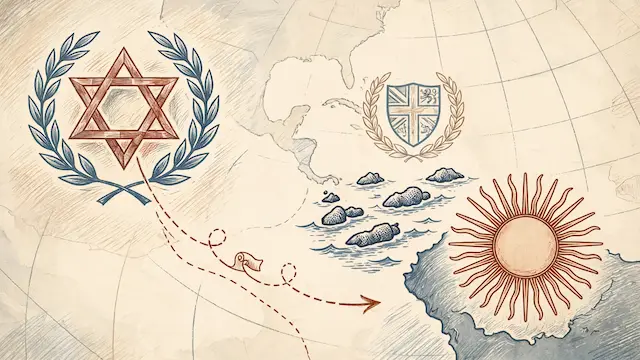
Prime Minister Benjamin Netanyahu has instructed Israeli diplomats to alter the country's official position on the Falkland Islands, aligning with Argentina's call for direct talks regarding the islands' future. This decision follows British Foreign Secretary Ed Miliband's recent imposition of economic sanctions on settlements in Judea and Samaria. While not a full endorsement of Argentina's sovereignty claims, the shift raises concerns that Israel might fully back Buenos Aires if further sanctions are applied to the settlements. The sanctions, announced by Miliband who accused Israel of "ethnic cleansing," previously triggered a diplomatic crisis, leading to the downgrading of the British Consulate in Jerusalem and the expulsion of most of its staff. The dispute now appears to extend to the Falklands issue. This development occurs as Argentina renews its diplomatic efforts to advance its claim over the islands, following remarks by U.S. President Donald Trump in September that suggested he might not support Britain in a future conflict over the matter.
Mentioned
The same event, reported separately by each outlet. Open a few to compare what different newsrooms emphasize — and what they leave out.
Left 1Centre 7Other 6















