
Parties Agree on Fighting Monopolies, Differ on Taxes and Budgets
Translated & summarized from Globes by baba
Most Israeli political parties surveyed by Globes agree on combating monopolies and lowering the cost of living by opening up imports. However, they diverge significantly on tax policies and budget priorities, particularly concerning defense spending. While some propose tax incentives and support for specific sectors like reservists buying homes, others remain undecided or advocate for different fiscal approaches. Transportation plans include expanding public transit and new rail lines.
The story in 5 lines · by baba
- Most parties agree on fighting monopolies and reducing living costs via import liberalization.
- Significant disagreements exist among parties regarding taxation and budget priorities.
- The Likud, Shas, UTJ, and Ra'am did not respond to Globes' economic survey.
- Parties proposed varied approaches to real estate, including incentives for rentals and reservists.
- Plans for expanding public transportation and new rail lines were presented by several parties.
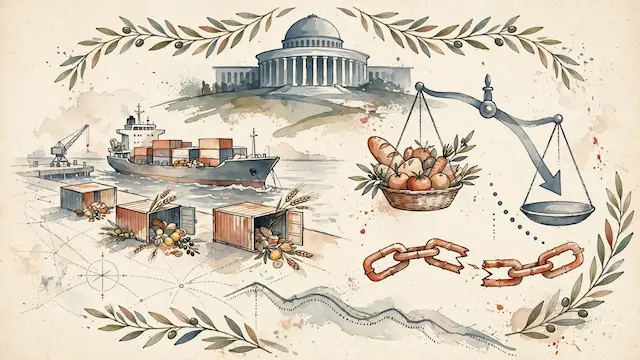
Globes surveyed political parties on 18 economic issues, receiving responses from all parties expected to pass the electoral threshold. Notably, the Likud, Shas, United Torah Judaism, and Ra'am did not provide answers. Across the board, parties expressed support for dismantling monopolies and reducing the cost of living through measures like opening up imports and reducing bureaucracy. However, significant disagreements emerged regarding taxation and budget allocations.
Regarding the cost of living, most parties advocate for reducing import barriers, particularly for food and basic consumer goods, and supporting local agriculture. Some propose structural changes to break up monopolies in production, import, and distribution, while others emphasize competition and deregulation. The issue of price controls also saw varied responses, with some supporting it as a last resort and others preferring market-based solutions.
On taxation, parties generally opposed tax increases, though specific stances varied. Some proposed tax breaks for specific regions or industries, while others suggested reallocating existing budgets. The defense budget was a point of contention, with some arguing for increased spending due to regional threats and others suggesting potential reductions to fund other priorities.
Real estate policies also showed divergence. Some parties proposed incentives for long-term rental construction and tax benefits for active reservists purchasing homes. Others remained undecided on issues like raising property taxes for investors or implementing a lottery system for subsidized housing.
Transportation initiatives included plans for expanding public transit networks, building dedicated bus lanes, and constructing new railway lines to peripheral cities. However, the implementation of congestion charges remained undecided, pending significant upgrades to public transportation.

