
Israeli Parties Outline Economic Platforms Ahead of Elections
Translated & summarized from Globes by baba
An Israeli newspaper surveyed political parties on economic issues, finding broad agreement on tackling monopolies and opposing new taxes, but differing views on defense spending and funding mechanisms. Parties proposed opening import markets, supporting local agriculture, and dismantling monopolies to lower the cost of living. Most opposed defense budget cuts and tax hikes, while advocating for fiscal responsibility and economic growth through employment and productivity.
The story in 5 lines · by baba
- Israeli parties generally agree on dismantling monopolies and opposing new taxes.
- Parties propose opening import markets and supporting local agriculture to reduce living costs.
- Most parties oppose defense budget cuts despite perceived regional threats.
- Specific funding for economic proposals and tax policies remain points of contention.
- Several parties did not respond to the economic survey questions.
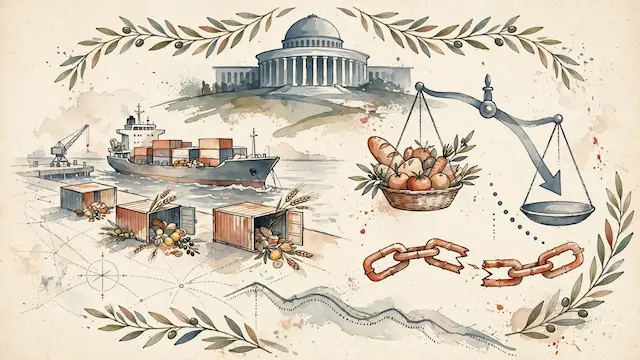
Globes newspaper surveyed all parties expected to pass the electoral threshold with 18 economic questions, receiving responses from most. Notably, the Likud, Shas, United Torah Judaism, and Ra'am did not provide answers. The survey revealed a general consensus among parties on several issues, including support for dismantling monopolies and opposing new taxes, though specifics on funding and implementation varied.
Regarding the cost of living, parties generally favored opening imports, reducing regulatory barriers, and curbing the power of exclusive importers, particularly for food and consumer goods. In agriculture, proposals included leveling the playing field with European standards, supporting essential farmers, investing in innovation, and later reducing tariffs. Food security was emphasized as a strategic concern.
On price controls, most parties supported their necessity when competitive tools are insufficient, but favored competition as the primary solution. They generally agreed not to expand controls beyond essential goods. The dismantling of monopolies in production, import, and distribution was a common theme, with plans for structural changes and increased transparency in value chains.
Disagreements emerged on issues like defense budget cuts, with most parties opposing reductions due to perceived growing threats. Tax increases were also largely opposed, though specific proposals for tax breaks in development areas were mentioned. The concept of increasing the debt-to-GDP ratio was generally rejected, with parties advocating for reprioritizing spending, increasing employment, and boosting productivity.
Specific proposals included strengthening local agriculture, opening markets to imports without harming domestic production, and reforming the kosher certification market. Some parties suggested structural changes to the financial supervision system, citing past failures, and discussed incentives for long-term rental housing construction. There was also discussion about preferential treatment for active reservists in housing purchases.


