
Israel Considers Cash Ban, Ex-Bank of Israel Economist Warns of Downsides
Translated & summarized from Maariv by baba
Israel's Tax Authority Director proposed banning all cash transactions to increase tax revenue, but former Bank of Israel chief economist Asher Balas cautioned that criminal groups might shift to foreign currencies. Balas also noted the public's reliance on cash for privacy and as a backup during system failures. The use of cash is declining due to fewer ATMs and the diminished purchasing power of the 200 shekel note, though Balas anticipates a future move away from cash.
The story in 5 lines · by baba
- Tax Authority Director proposed banning all cash transactions to boost tax revenue.
- Former Bank of Israel economist warns criminals may switch to foreign currencies.
- Cash is relied upon for privacy and as a backup during system failures.
- Fewer ATMs and reduced purchasing power are making cash less practical.
- The 200 shekel note's value has significantly eroded due to inflation.
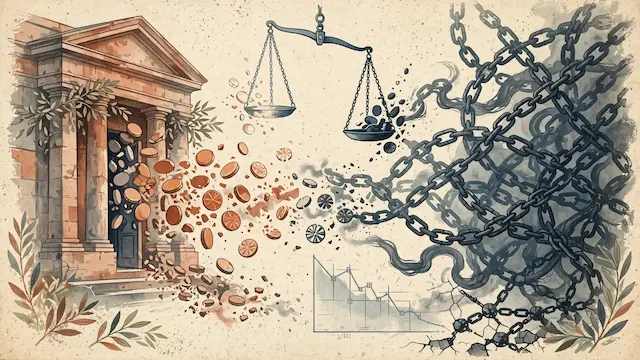
A proposal to eliminate cash transactions in Israel, including the 200 shekel note, has resurfaced, with the Director of the Tax Authority, Shi Ahronovich, suggesting a complete ban on cash to combat the black market and increase tax revenues by an estimated 20-30 billion shekels annually. However, Professor Asher Balas, former chief economist at the Bank of Israel, expresses skepticism about the effectiveness of such a move.
Balas warns that a ban on Israeli currency could lead criminal organizations to switch to foreign currencies like the US dollar, a common practice among global crime syndicates. He also notes that while discontinuing the issuance of a banknote is different from invalidating existing ones, a complete ban on cash could complicate matters for those holding large sums, such as criminal and terror groups in Gaza and the West Bank, who would need to exchange them and explain their origin.
Beyond criminal activity, Balas points out that many individuals rely on cash for privacy, to track expenses easily, or due to difficulties with digital payment methods or lack of bank accounts. The Bank of Israel itself highlighted cash's importance in its October 12 review, emphasizing its role as a payment method during power outages, communication failures, and cyberattacks, with surveys indicating a public desire to continue using cash.
Meanwhile, cash is already becoming less prevalent due to practical challenges. Balas explains that the number of bank-operated ATMs is declining, making cash withdrawals more difficult and expensive, often forcing users to rely on private machines with higher fees. The 200 shekel note, Israel's highest denomination since 1992, has also seen its purchasing power significantly eroded by inflation, effectively making it worth much less than when it was introduced.
Despite these challenges, Balas believes a move away from cash is likely inevitable, though he is uncertain about the immediate timeline. He suggests that while inflation has impacted the 200 shekel note's value, a steady 2% annual inflation rate would preserve its significant purchasing power for another decade.


