
IDF Soldiers Begin Voting for 26th Knesset Amid Security Challenges
Translated & summarized from Behadrei Haredim by baba
Over 850 military polling stations have opened for IDF soldiers to vote in the 26th Knesset elections, from the northern border to Eilat. Mobile polling stations will reach soldiers in challenging operational areas, ensuring access even during combat. The IDF's election officer stated the army will ensure all soldiers can vote secretly, even while on duty. Early voting will continue until the general election day.
The story in 5 lines · by baba
- Over 850 military polling stations are open for IDF soldiers to vote in the 26th Knesset elections.
- Mobile polling stations will ensure soldiers in operational areas can cast their ballots.
- The IDF election officer stressed the commitment to enabling all soldiers to vote secretly.
- Early voting for soldiers will continue until the general election day polls close.
- Logistical challenges include reaching small, isolated teams on security duty.
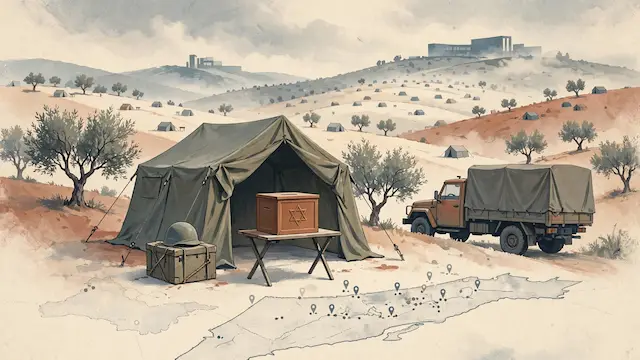
Voting for the 26th Knesset has commenced for Israel Defense Forces (IDF) soldiers amidst a complex security reality and ongoing fighting. Over 850 military polling stations have been deployed across the country, from Mount Hermon in the north to Eilat in the south, to accommodate both conscripted and reserve soldiers. To ensure voting access for personnel in challenging terrain and those operating beyond Israeli borders, approximately a quarter of these polling stations will operate in a mobile capacity.
The IDF's election officer emphasized the mission to enable all service members to exercise their democratic right to a secret ballot, even during operational activities and combat. "The IDF is a national, state-run army that will do everything necessary to allow the elections to proceed as scheduled," she stated.
Major S., a reserve election officer for the Central Command who participated in the planning, highlighted the significant logistical challenge of reaching every soldier. "Our main challenge is to reach all soldiers in the field," he said, explaining that even small teams securing locations cannot leave their posts to vote at civilian polling stations. He added that the security complexity does not compromise the integrity or accessibility of the elections.
Dedicated polling committees, trained by the Central Elections Committee, are operating the stations. Voting, conducted using the double-envelope system, is described as taking place in a state-run atmosphere free of propaganda. The early voting period for the IDF will continue uninterrupted, subject to operational constraints, until the civilian election day polls close. This early deployment aims to provide military authorities with ample time to guarantee full accessibility for all forces, regardless of their deployment location.
The same event, reported separately by each outlet. Open a few to compare what different newsrooms emphasize — and what they leave out.
Right 1Haredi 1

Not the same event — other stories that share this one’s people, places, or theme: background, reactions, and follow-ups.




