
Gold Prices Fall as Oil Rises, Fueling Inflation Concerns
Translated & summarized from Ice by baba
Global gold prices are falling as oil prices rise due to Middle East tensions, increasing inflation fears. In Israel, despite a recent price index drop, inflation expectations for the next year are rising moderately among investors and experts. The Bank of Israel faces a dilemma on whether to lower interest rates, balancing current price stability against future inflation concerns and global economic factors.
The story in 5 lines · by baba
- Global gold prices are falling due to rising oil prices and Middle East security tensions.
- Rising oil prices are fueling fears of a new wave of inflation worldwide.
- Israeli investors expect nearly 1.7% inflation in the coming year, despite a recent price index decrease.
- Experts and commercial banks predict Israeli inflation to exceed 2% in the next year.
- The Bank of Israel faces a difficult decision on interest rates due to conflicting economic indicators.
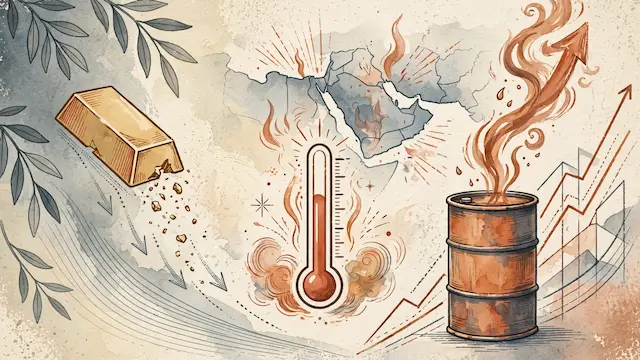
Global gold prices are declining, largely due to rising oil prices stemming from security tensions in the Middle East and the Red Sea. As fuel and oil become more expensive, fears of a general price increase, known as inflation, are resurfacing in the markets. In such an environment, central banks worldwide tend to maintain high interest rates, making gold investments less attractive and contributing to its price drop.
In Israel, a notable trend is emerging. Despite a recent decrease in the consumer price index for September, market expectations for the upcoming year indicate a moderate rise in prices. Data released by the Bank of Israel suggests investors anticipate nearly 1.7% inflation over the next year. This expectation, even with recent price drops, signals that the public and experts believe daily expenses will continue to slowly increase.
Commercial banks and experts also project inflation to be slightly above 2% in the coming year. This apparent contradiction between the falling price index and rising inflation expectations is explained by the index reflecting past price changes while expectations forecast future trends. Long-term outlooks, however, remain relatively stable.
The Bank of Israel's governor faces a complex decision regarding the upcoming interest rate announcement. On one hand, the recent drop in the price index and inflation remaining within the government's target range could justify lowering interest rates to ease financial burdens on the public and mortgage holders. On the other hand, increasing inflation expectations and global price hike concerns prompt caution and hesitation from the central bank regarding rate cuts.
The economic landscape in Israel and globally remains intricate, offering no clear direction for future monetary policy. The upcoming interest rate decision will hinge not only on inflation expectations but also on the shekel's strength, the overall economic condition, and regional security events. The Bank of Israel will closely monitor the situation before implementing any changes to its monetary policy.


