Army Presents Chabad Students With Draft or Jail Choice
Translated & summarized from Jüdische Allgemeine by baba
Over 40 Chabad students were detained at Ben Gurion Airport upon returning from New York and face military service or prison. The Israeli military stated their fate depends on their willingness to enlist, with potential suspended sentences for cooperation or jail for refusal. Historically, Chabad students had deferment agreements, but this arrangement's legal basis has apparently lapsed. The detentions sparked criticism from within the Chabad movement, which highlighted its members' contributions to the IDF.
The story in 5 lines · by baba
- Over 40 Chabad students detained at Ben Gurion Airport face draft or jail.
- Students may receive suspended sentences if they agree to enlist, or face prison if they refuse.
- A historical agreement allowing deferment for Chabad students' studies abroad appears to have lost its legal basis.
- The detentions were criticized by Chabad members and an ultra-Orthodox journalist as inappropriate.
- The IDF defended the detentions, citing legal conscription obligations and enforcement of the draft law.
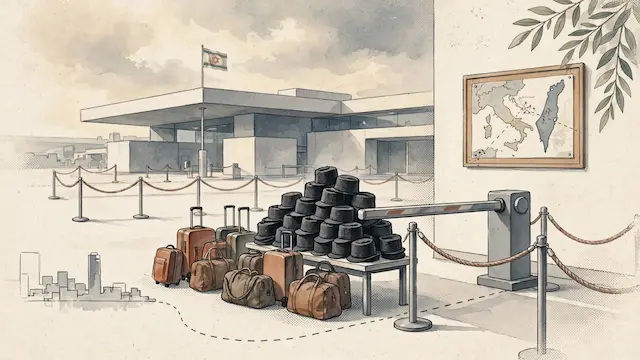
Over 40 young men from the Chabad-Lubavitch movement were detained by military police at Ben Gurion Airport on Tuesday upon their return from a year of study in New York. The students were taken to a recruitment center in Tel Hashomer, where they face consequences for continued draft refusal. The Israeli military stated that the outcome depends on their actions: those agreeing to enlist may receive a suspended sentence and be released, while individuals whose cases are already with military prosecutors could face harsher treatment. Those classified as draft dodgers and refusing service risk being sent to Military Prison 10. The military police were prepared for the group's arrival, with additional forces deployed at the airport, and some students had their passports confiscated. They were informed they are suspected of failing to report for mandatory military service.
A year of study in the U.S. is a customary part of the religious path for young Chabad men, typically following three years of Torah study in Israel. They dedicate their time in New York to study, prayer, and engaging with the legacy of the Lubavitcher Rebbe before returning to Israel for community work or marriage. Historically, an agreement existed between Chabad and the IDF allowing these students to defer their service until after their studies abroad, with a service model accommodating their religious lifestyle. However, this arrangement appears to have lost its legal basis, particularly concerning the "Torato Umanuto" status that grants deferrals to yeshiva students.
The detentions drew strong criticism from within the Chabad movement. Ultra-Orthodox journalist Shneur Weber, whose brother was among those detained, called the handling "unwise and inappropriate," suggesting many intended to clarify their status and enlist. He expressed hope that military legal officials would recognize the treatment as neither fitting nor constructive. Chabad representatives voiced anger, highlighting the significant number of their members already serving in the IDF and calling the targeted detentions "incomprehensible" and unnecessary.
The IDF defended its actions, citing legal conscription obligations and regular checks by military police at border crossings in cooperation with other authorities. The military asserted that the detained men are obligated to serve and must follow legal procedures, emphasizing its commitment to enforcing the draft law equally. A military representative denied reports of any releases, stating that no detainees had been freed. The army is reportedly working to present draft-eligible students with service options compatible with ultra-Orthodox life.
Mentioned
The same event, reported separately by each outlet. Open a few to compare what different newsrooms emphasize — and what they leave out.
Centre 3Right 1Other 2





Not the same event — other stories that share this one’s people, places, or theme: background, reactions, and follow-ups.



