
Iran Bets on Talks Collapse, Awaits Further Israeli Strikes
Translated & summarized from Mignews by baba
Iran is deliberately delaying talks with the U.S. to harm President Trump's electoral prospects and is preparing for further Israeli and American strikes. The ongoing confrontation has led to the blockage of the Strait of Hormuz and U.S. sanctions, causing an internal financial crisis in Iran. Tehran has rejected U.S. demands to include its nuclear program in negotiations, proposing its own plan for de-escalation.
The story in 5 lines · by baba
- Iran is delaying U.S. talks to hurt President Trump's election chances and expects more Israeli strikes.
- Joint U.S.-Israeli strikes in February have damaged Trump's approval rating to a record 31 percent.
- The Strait of Hormuz is nearly blocked by Iran, leading to U.S. sanctions and an Iranian financial crisis.
- Iran rejected including its nuclear program in talks and proposed a counter-plan via Qatar.
- Foreign Minister Abbas Araghchi confirmed ongoing dialogue despite a trust crisis after prior strikes.
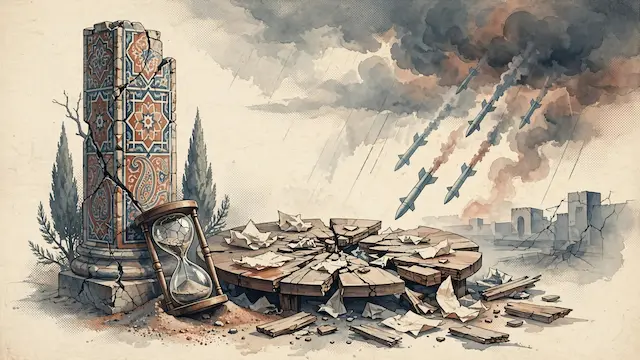
Iran's leadership has strategically decided to prolong negotiations with the United States, aiming to inflict electoral damage on President Donald Trump before the November midterm elections. Simultaneously, the Islamic Republic is preparing for anticipated strikes from Israel and the U.S. due to escalating mutual distrust, according to Reuters, citing senior Iranian officials and security sources. Insiders suggest Tehran believes the U.S. will soon resume military action, with President Trump seeking to overcome an eight-month stalemate through force. Iranian authorities are reportedly unwilling to agree to any deal that could halt the confrontation, as they are determined to deny the U.S. leader any foreign policy victories. Military actions, initiated in February by joint U.S.-Israeli strikes, have already significantly weakened the Republican Party's standing. A Reuters/Ipsos poll indicates Donald Trump's approval rating has fallen to a record low of 31 percent, largely attributed to rising energy prices that threaten conservative positions in the upcoming elections. The Strait of Hormuz remains largely blocked by Tehran's actions, with constant attacks on merchant vessels paralyzing shipping. In response, Washington has imposed a strict naval blockade and new sanctions, severely impacting Iran's oil revenues and exacerbating its internal financial crisis. However, Iranian authorities have refused to concede, stating there is a zero chance of an agreement before the U.S. election results are known. A key sticking point is Iran's nuclear program, which Jerusalem insists must be immediately included in the talks. Tehran has rejected this, proposing a seven-day counter-plan delivered through Qatari diplomats. This initiative involves temporarily reopening the Strait of Hormuz while Iran maintains full control, in exchange for the immediate lifting of the U.S. blockade, unfreezing state accounts, and a ceasefire. Iran's Foreign Minister Abbas Araghchi confirmed the proposal's relevance, noting that dialogue through intermediaries continues despite a severe trust deficit following previous coalition strikes.
Mentioned
The same event, reported separately by each outlet. Open a few to compare what different newsrooms emphasize — and what they leave out.
Centre 1Other 1

Not the same event — other stories that share this one’s people, places, or theme: background, reactions, and follow-ups.



