
Israel Faces Flu Outbreak With Vaccine Shortages and Special Dose Concerns
Translated & summarized from Cursorinfo by baba
Israel is experiencing a significant seasonal flu outbreak, leading to 277 hospitalizations, including 15 in intensive care. Vaccine shortages are widespread due to delayed international shipments, although the Ministry of Health assures sufficient doses are available. Concerns also exist regarding the limited supply of a more effective, but costly, enhanced vaccine for the elderly. The Ministry urges prompt vaccination with any available vaccine to prevent severe illness.
The story in 5 lines · by baba
- 277 Israelis have been hospitalized with the flu, with 15 requiring intensive care.
- Vaccine shortages are hindering the flu vaccination campaign across Israel.
- International shipment delays are cited as the primary reason for the vaccine scarcity.
- An enhanced flu vaccine for the elderly is in limited supply due to its higher cost.
- The Ministry of Health urges prompt vaccination with any available flu shot.
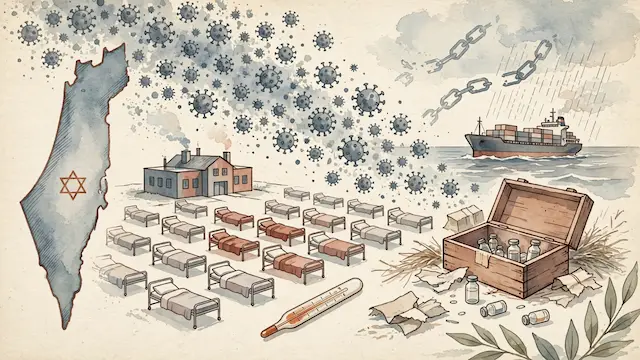
Israel's Ministry of Health has alerted the public to a significant seasonal flu outbreak, with 277 people hospitalized, including 15 in intensive care units. The surge in cases comes amid difficulties in vaccine availability, as many Israelis are still unable to get vaccinated a month after the campaign began. Some clinics have run out of vaccines, while others have insufficient supplies to meet demand.
Hospitalization providers attribute the vaccine shortage to delays in international shipments, stemming from the World Health Organization's later-than-usual approval of this season's vaccine formulations. While additional vaccine batches have recently arrived and are being distributed, some health funds report that vaccine availability is not yet universal. The Ministry of Health considers the situation temporary, noting that hundreds of thousands of vaccine doses are already in the country.
During the week ending October 10, 66 new cases of Influenza A were identified in Israeli hospitals. Since the season's start, 277 patients have been diagnosed, including 221 adults and 54 children. Of the 15 patients in intensive care, 11 are adults and four are children. While flu cases are increasing among outpatients, the overall national spread remains below the epidemic threshold.
As of October 11, approximately 4.1% of the population, or 409,664 people, had been vaccinated. Vaccination rates are higher among the elderly (16.7% of those over 65) but significantly lower among teenagers (1% of those aged 13-18).
Israel also offers an enhanced-antigen flu vaccine primarily for individuals over 65, which clinical studies show reduces the risk of confirmed flu by about 24% and hospitalization by nearly 9% compared to standard vaccines. However, health funds have ordered a limited number of these more expensive doses, citing cost and the fact that they are not covered by the national health basket. Discussions with the Ministry of Health regarding funding for this vaccine have been ongoing for years. The Ministry advises those over 65 to opt for the enhanced vaccine if available but not to delay vaccination while waiting for it, emphasizing that any timely vaccination reduces the risk of severe illness, complications, hospitalization, and death.
Mentioned


