
Shapir Engineering Sells Gas Distribution to Ellied for $63 Million
Translated & summarized from Bizportal by baba
Shapir Engineering has agreed to sell its natural gas distribution companies, Super NG and Super NG Hadera and HaEmekim, to the Ellied Group for NIS 230 million (approximately $63 million). The deal, expected to yield Shapir a profit of NIS 50-100 million, involves the transfer of shares, capital notes, and owner loans. Shapir aims to recycle capital for new projects, while the sale may also address regulatory issues concerning its stake in the Ashdod Oil Refinery. The transaction requires several regulatory approvals and is expected to be completed in the coming months.
The story in 6 lines · by baba
- Shapir Engineering will sell its two natural gas distribution companies to Ellied Group for NIS 230 million.
- The sale is expected to generate a pre-tax profit of NIS 50-100 million for Shapir Engineering.
- Ellied Group has a five-year option to purchase Shapir's share of future network asset value for an additional NIS 130 million plus interest.
- Shapir aims to recycle capital for new infrastructure and industrial projects with this divestment.
- The sale could potentially remove a regulatory obstacle for Shapir's increased stake in the Ashdod Oil Refinery.
- The deal requires approval from the Minister of Energy and the Commissioner of Competition.
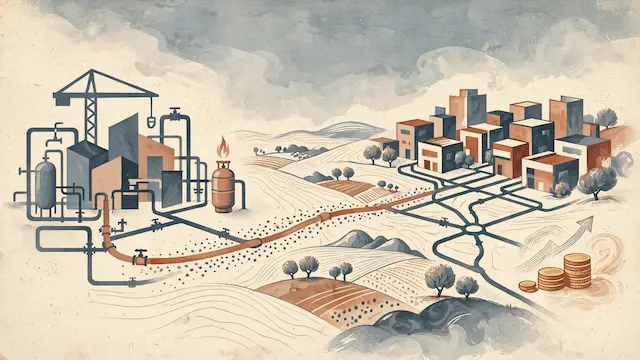
Shapir Engineering, controlled by the Shapira family, has signed a binding agreement to sell its entire holdings in two natural gas distribution companies, Super NG and Super NG Hadera and HaEmekim, to the Ellied Group for NIS 230 million (approximately $63 million). The deal, finalized yesterday after due diligence, follows a memorandum of understanding signed in April. Shapir anticipates a pre-tax profit of NIS 50-100 million from the sale.
The transaction includes the transfer of all shares, capital notes, and owner loans Shapir provided to the distribution companies. The NIS 230 million payment is due upon completion, subject to adjustments for debt and cash balances. For Ellied, this marks an entry into infrastructure operations distinct from typical construction projects. The acquired companies hold licenses for natural gas distribution across significant areas of Israel, operating networks that connect industrial and institutional consumers to the national gas transmission system.
An interesting clause in the agreement allows Shapir to receive additional payments based on future regulatory and commercial developments, such as increased distribution tariffs, license extensions, or compensation for network assets at the end of license periods. Ellied also holds a five-year option to purchase Shapir's share of future "retrogression value" (the value of network assets at license expiry) for an additional NIS 130 million, plus 9% annual interest. If exercised, Shapir could receive at least NIS 360 million in total, before annual interest and other adjustments, though this is an option, not a guaranteed payment.
Shapir views this sale as a realization of an activity that has passed its main development stages, aiming to recycle capital for new infrastructure and industrial projects. Moshe Savoski, Shapir's CFO, stated that the agreement is a significant step toward completion and aligns with the company's strategy to monetize mature assets and redirect resources to core activities and new projects. Shapir is currently seeking necessary approvals for completion within the coming months.
This sale follows Shapir's recent move to bring institutional investors into a partnership managing its concession projects, including Highway 6 North and Highway 16. The gas distribution sale may also remove a regulatory hurdle for Shapir's potential increased stake in the Ashdod Oil Refinery, which had been a point of contention due to antitrust concerns. However, the Antitrust Authority recommended against Shapir's control of the refinery, and the Ministry of Energy has requested a review of this position, indicating that Shapir still faces challenges in that regard. The gas distribution deal itself requires approval from the Minister of Energy and the Commissioner of Competition, with an initial completion period of 120 days, extendable by 90 days.
Mentioned
The same event, reported separately by each outlet. Open a few to compare what different newsrooms emphasize — and what they leave out.
Other 3


Not the same event — other stories that share this one’s people, places, or theme: background, reactions, and follow-ups.
