
Israel Eases Import Rules for Appliances, Potentially Lowering Prices
Translated & summarized from Cursorinfo by baba
Israel is easing import regulations for household appliances and electronics, a move expected to lower prices for consumers. The Ministry of Communications has removed additional approval requirements for products meeting European standards, streamlining customs processes and encouraging competition. These changes, effective upon publication, will benefit both commercial and personal imports, with specific provisions for car multimedia systems. The government aims to reduce the cost of living by cutting bureaucratic barriers to imports.
The story in 5 lines · by baba
- Israel's Ministry of Communications is simplifying import rules for household appliances.
- The changes aim to reduce importer costs, speed up deliveries, and increase market competition.
- Appliances meeting European standards with CE marking will require fewer import approvals.
- The measure is expected to lead to lower retail prices and a wider selection of goods.
- Simplified rules also apply to personal imports of car multimedia systems.
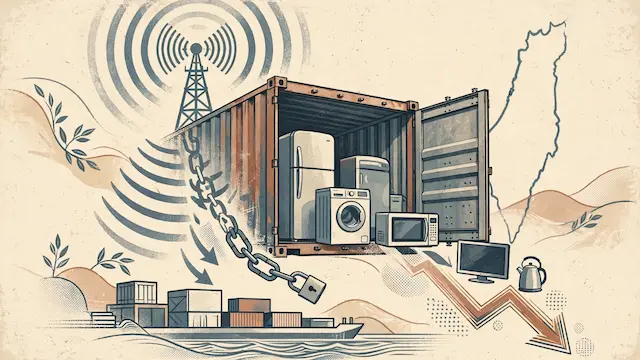
New regulations in Israel are set to simplify the import of various household appliances, potentially leading to lower prices for consumers. The Ministry of Communications has decided to eliminate additional approval procedures for a range of electronic goods that meet European standards, a move expected to reduce importer costs, speed up deliveries, and boost market competition.
Minister of Communications Shlomo Karhi signed an amendment to wireless telegraphy regulations that expands the list of products allowed for import without separate agency approval. These changes, which will take effect upon official publication in the "Reshumot" state gazette, apply to both commercial and personal imports. The primary condition for exemption from extra permits will be the presence of a CE marking, indicating compliance with applicable European standards, including wireless technology requirements.
The list of exempted items includes refrigerators, freezers, air conditioners, washing machines, dryers, dishwashers, air purifiers, coffee machines, ovens, microwave ovens, induction hobs, extractor hoods, water heaters, home audio systems, and passive plastic RFID cards. Previously, appliances with Wi-Fi or Bluetooth modules often required special ministry approval, even if they met European standards, necessitating the submission of technical documentation and lab test results.
These regulatory relaxations are anticipated to decrease administrative expenses and customs clearance times for companies, particularly benefiting parallel importers. The Ministry of Communications expects that reducing these barriers will encourage more companies to enter the market, thereby increasing competition and potentially driving down retail prices and expanding consumer choice.
Additionally, simplified import rules will apply to personal imports of up to five car multimedia systems per shipment, including those supporting smartphone integration like CarPlay, without requiring a special license or CE marking. Commercial imports of such equipment will still need a Ministry of Communications conformity certificate. These measures continue a broader policy of reducing bureaucratic hurdles for electronics imports, following similar simplifications for surveillance cameras, baby monitors, and game consoles in recent years.
The same event, reported separately by each outlet. Open a few to compare what different newsrooms emphasize — and what they leave out.
Centre 1Other 2


Not the same event — other stories that share this one’s people, places, or theme: background, reactions, and follow-ups.

