
Israel Considers Drastic Cash Reduction, Abolishing NIS 200 Bill
Translated & summarized from Ice by baba
Israel's Tax Authority Director, Shai Aharonovitz, proposed eliminating the NIS 200 bill and potentially all cash transactions to combat the black market and increase state revenue by an estimated NIS 20-30 billion. These ideas were presented at a tax consultants' conference in Eilat, amidst concerns over the upcoming national budget and rising defense costs. However, the Bank of Israel has previously rejected similar proposals, stating no professional justification exists for abolishing banknotes. The conference also explored other revenue-raising measures and criticized government bureaucracy.
The story in 5 lines · by baba
- Israel's Tax Authority Director proposed abolishing the NIS 200 bill and potentially all cash transactions.
- The proposed measures aim to combat the black market and increase state tax revenues by an estimated NIS 20-30 billion.
- The Bank of Israel has previously stated that abolishing banknotes is not on the agenda.
- The discussion occurred against the backdrop of a challenging national budget and high defense expenditures.
- Alternative revenue-raising ideas and criticisms of government bureaucracy were also presented at the conference.
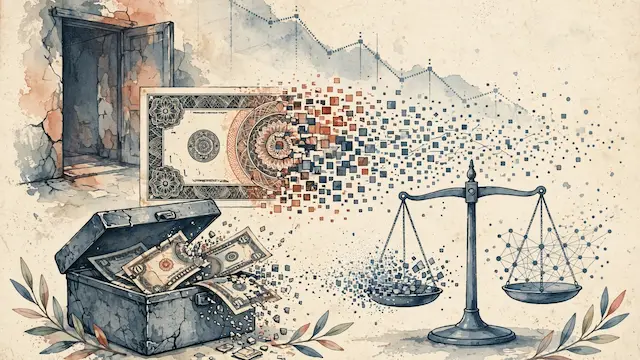
Israel may be on the verge of significantly reducing cash usage, with the Director of the Tax Authority, Shai Aharonovitz, proposing the abolition of the NIS 200 banknote and potentially all cash transactions. Aharonovitz suggested these measures at the annual conference of the Tax Consultants Association in Eilat as a means to combat the black market, boost state tax revenues, and help fund high defense expenditures. He estimated that eliminating cash could generate an additional NIS 20-30 billion annually. These remarks come amid discussions on increasing state income, particularly to cover rising security costs, with the defense budget potentially reaching NIS 200 billion annually in 2027-2028. Aharonovitz warned that the 2027-2028 budget would be "cruel" and require significant funding sources, either through tax hikes or budget cuts. The Tax Authority, along with the Ministry of Finance and other economic bodies, is developing proposals to present to the government, aiming to increase revenue without broadly burdening the public or hindering growth. Options include raising VAT by one percent or increasing income tax rates, though the Tax Authority prefers more targeted solutions.
Despite Aharonovitz's proposals, the Bank of Israel has previously opposed such measures. In April 2025, the bank stated that abolishing banknotes was not on the agenda and that no professional justification had been presented for removing any specific banknote. The Bank of Israel reiterated that the NIS 200 bill, like other denominations, would continue to circulate. Another proposal discussed at the conference involved tightening the "trapped profits" law, which requires companies to distribute a certain percentage of profits to avoid taxation. Aharonovitz suggested increasing this required distribution from 6% to 8%, a move that drew opposition from Yaron Gindi, president of the Tax Consultants Association, who highlighted business sector concerns. Gindi proposed alternative revenue-generating strategies, such as reducing taxes on labor, increasing capital taxation, and taxing rental income from the first shekel, as well as taxing digital services. He also criticized government bureaucracy and regulation for burdening businesses and increasing the cost of living, suggesting that reducing these obstacles could stimulate economic activity and state revenue.
Mentioned
The same event, reported separately by each outlet. Open a few to compare what different newsrooms emphasize — and what they leave out.
Centre 4Right 3Arab 1Other 5













Not the same event — other stories that share this one’s people, places, or theme: background, reactions, and follow-ups.


