
US Presidents' Interventions in Israeli Elections: A Historical Pattern
Translated & summarized from Ynet by baba
Donald Trump publicly endorsed Benjamin Netanyahu for the upcoming Israeli elections, warning that any other leader would be a "wrong choice" for America. This intervention mirrors historical instances of US presidents influencing Israeli politics, including actions by Bill Clinton, George H.W. Bush, Barack Obama, and Joe Biden. While some interventions aimed to support specific candidates or policies, their ultimate impact on election outcomes has varied, with past instances showing that such endorsements do not guarantee victory. The article examines these historical precedents and the reactions to Trump's current endorsement, noting that only the election results will reveal its influence.
The story in 6 lines · by baba
- Donald Trump publicly endorsed Benjamin Netanyahu for the upcoming Israeli elections, calling any other leader a "wrong choice" for America.
- Netanyahu's rivals criticized Trump's intervention, asserting that only Israeli citizens can determine their prime minister.
- Historically, US presidents like Clinton, Bush, Obama, and Biden have intervened in Israeli elections with varying degrees of success.
- Past US interventions, including those by Clinton and Trump, did not always lead to the preferred candidate's victory.
- The Biden administration also publicly opposed Netanyahu's government's judicial overhaul in 2023, drawing a firm response from Netanyahu.
- The article notes that US presidential endorsements do not guarantee electoral success in Israel.
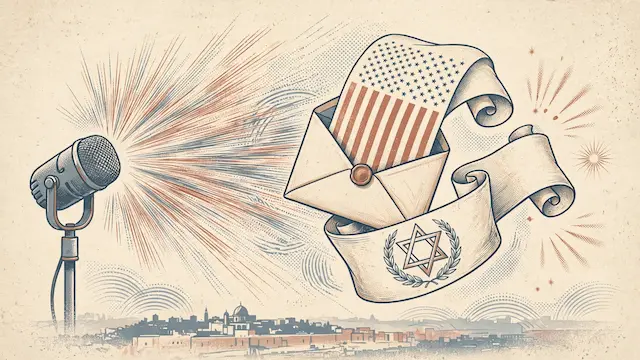
In a move echoing past US presidential involvement in Israeli politics, Donald Trump declared his full support for Benjamin Netanyahu ahead of the upcoming elections, stating that any other Israeli leader would be a "wrong choice" for America. Trump warned that if Israel did not have the "right leader," meaning Netanyahu, the US would have to handle the fight against Iran alone. Netanyahu thanked Trump for the "tremendous support and joint work."
This intervention has drawn criticism from Netanyahu's rivals. Gadi Eisenkot, chairman of the Yisrael Beiteinu party, acknowledged Trump's contributions to Israeli security but emphasized that only Israeli citizens can determine their prime minister. He added that the US would work with any elected government.
The article highlights historical instances of US presidents influencing Israeli elections. In 1992, President George H.W. Bush clashed with Prime Minister Yitzhak Shamir over settlement construction and loan guarantees, a dispute that became a central issue in the election campaign, which Yitzhak Rabin ultimately won. In 1996, President Bill Clinton openly tried to aid Shimon Peres, believing he was a better partner for the peace process than Netanyahu. Clinton admitted years later that he had attempted to help Peres win, but Netanyahu narrowly defeated him.
In 1999, Clinton's advisors joined Ehud Barak's campaign against Netanyahu, and Clinton's preference for Barak was clear, though he avoided direct endorsement. In 2015, President Barack Obama refused to meet Netanyahu before the Israeli elections, amid tensions over the Iran nuclear deal. The Obama administration also faced accusations of indirectly funding groups opposing Netanyahu, though no direct evidence of election interference was found.
Conversely, in 2019, Trump provided Netanyahu with significant electoral boosts, including recognizing Israeli sovereignty over the Golan Heights just weeks before an election and discussing a defense pact. In 2020, Trump presented his Middle East peace plan alongside Netanyahu, though he also met with Netanyahu's rival, Benny Gantz, to maintain a semblance of balance.
Beyond election periods, the Biden administration publicly opposed Netanyahu's government's judicial overhaul in 2023, with President Biden expressing concern and stating Israel "cannot continue down this path." Netanyahu responded firmly, asserting Israel's independence and its right to make decisions based on its citizens' will, not external pressure. Other Israeli ministers also criticized the perceived US interference.
The article concludes that while US interventions have occurred throughout Israeli electoral history, they do not guarantee the desired outcome for the US president, as seen in past elections where Clinton and Trump's efforts did not ensure victory for their preferred candidates. The impact of Trump's current endorsement on the upcoming election will only be known on election day.
Mentioned
The same event, reported separately by each outlet. Open a few to compare what different newsrooms emphasize — and what they leave out.
Centre 1Right 2Haredi 1



Not the same event — other stories that share this one’s people, places, or theme: background, reactions, and follow-ups.




