
Doctors and Scientists Identify Most Dangerous Cancer Types
Translated & summarized from Cursorinfo by baba
Oncologists have identified the most dangerous cancer types based on mortality rates, with digestive system cancers being particularly aggressive. Esophageal cancer is fatal for 60% of patients within a year, followed by lung cancer (nearly 50%) and stomach cancer (47%). Experts stress that early diagnosis is crucial for successful treatment, with factors like smoking and genetics contributing to cancer development.
The story in 5 lines · by baba
- Esophageal cancer is fatal for 60% of patients within one year of diagnosis.
- Lung cancer is fatal for nearly half of diagnosed patients.
- Stomach cancer causes death in 47% of patients within a year.
- Early diagnosis is a critical factor for successful cancer treatment.
- Smoking, alcohol, carcinogens, and genetics are major causes of cancer.
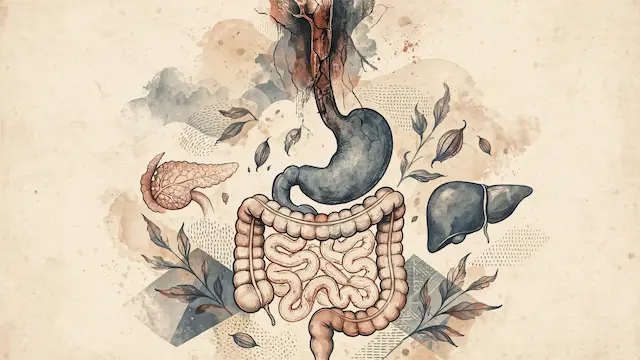
Oncologists and scientists have analyzed mortality rates among cancer patients to identify the most aggressive forms of the disease. Their research indicates that malignant tumors of the digestive system are among the deadliest. Specifically, esophageal cancer is fatal for approximately 60 percent of patients within the first year of diagnosis. Lung cancer ranks second, proving fatal for nearly half of those diagnosed. Stomach cancer follows, causing death in 47 percent of patients within a year.
Experts emphasize that the stage at which cancer is detected is a critical factor in prognosis, as many individuals seek medical attention too late, diminishing their chances of successful treatment. Other high-mortality cancers within a year include blood cancer (22 percent), rectal cancer (21 percent), cervical cancer (13 percent), and breast cancer (6 percent).
The primary causes of cancer development cited are smoking, alcohol consumption, exposure to carcinogens, and genetic predisposition. Individuals in high-risk groups are strongly advised to undergo regular medical check-ups, as early diagnosis significantly improves the likelihood of successful treatment and extends life expectancy.