
Vote or Face Marginalization, Arab Citizens Urged
Translated & summarized from Alarab by baba
Arab citizens in Israel are urged to vote in the October 27, 2026 elections to protect their rights and counter rising racism. Political science specialist Iyad Ighbariya argues that abstaining from voting deepens marginalization and empowers extremist parties. He states that low turnout makes it easier for hostile agendas to pass discriminatory laws and seize budgets. Participation is presented as the only way to assert rights and ensure the community's presence and future.
The story in 5 lines · by baba
- Arab citizens in Israel must vote on October 27, 2026, to protect their rights and presence.
- Abstaining from voting deepens marginalization and empowers extremist and racist parties.
- Low voter turnout benefits parties hostile to Arab rights and facilitates discriminatory laws.
- The ballot box is a crucial tool for asserting priorities and challenging hostile agendas.
- Active participation is essential for securing rights and countering marginalization efforts.
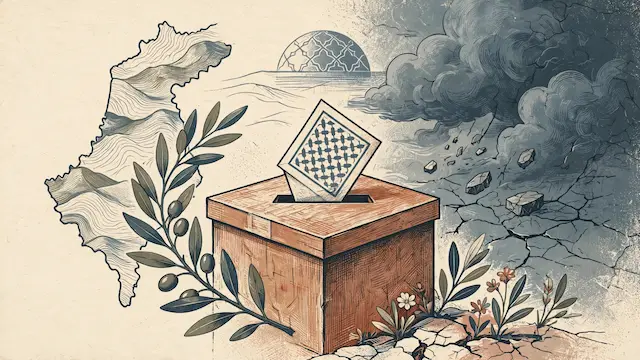
Arab citizens in Israel are urged to vote in the upcoming elections on October 27, 2026, to protect their rights and ensure their presence is recognized. The author, Iyad Ighbariya, a political science specialist, argues that abstaining from voting is not a protest but a voluntary surrender that deepens marginalization and allows racist and exclusionary policies to take hold.
Ighbariya emphasizes that political reality does not recognize intentions or empty seats; low voter turnout automatically lowers the "threshold" for parliamentary representation, making it easier for extremist and fascist parties to gain seats and advance agendas hostile to Arab rights. He warns that by not voting, Arab citizens effectively give others the power to decide their future and reduce the political cost for the racist right to dominate legislation and implement discriminatory policies, including the confiscation of budgets for Arab towns and villages.
Every vote cast is described as a "free vote" for parties seeking to undermine Arab communities, strip them of legitimacy, and hinder their development. Ighbariya states that these parties thrive on Arab disillusionment and despair, and that empty polling stations are their primary condition for success, enabling them to pass discriminatory laws without difficulty. He asserts that withdrawal is not a strategic option for a community fighting for survival and development.
The author stresses that true confrontation and the assertion of rights are achieved through active participation and self-assertion as an unignorable political force. The ballot box is presented as a legal and popular tool to impose priorities and delegitimize movements inciting against Arab existence. He calls for participation to disrupt marginalization, as rights are not gained through silence and existence is not preserved through absence.
Ighbariya concludes by urging residents of the Negev, the Triangle, and the Galilee to vote on October 27, 2026, to counter the "racist tide" and confirm their presence and rights. He believes that high participation instills hope in the younger generation, demonstrating that their rights are earned through their will and perseverance, not granted as a favor.


