
IDF Restricts Leave Ahead of Election Day Amid Security Concerns
Translated & summarized from Arutz Sheva by baba
The IDF has imposed a leave restriction for all soldiers on election day, October 27, due to fears of a security escalation. Chief of Staff Eyal Zamir cited concerns about potential actions by Iran or its proxies during the sensitive period. While no specific attack is currently anticipated, defense officials are wary of unintended escalation. Prime Minister Benjamin Netanyahu also issued a warning to Iran against attacking Israel.
The story in 5 lines · by baba
- IDF Chief of Staff Eyal Zamir ordered a leave restriction for all soldiers on election day, October 27.
- The decision stems from concerns about a potential security escalation involving Iran or its proxies.
- No concrete intelligence currently indicates an imminent attack by Iran or Hezbollah.
- Officials are concerned about unintended escalation into a wider conflict.
- Prime Minister Benjamin Netanyahu warned Iran against attacking Israel.
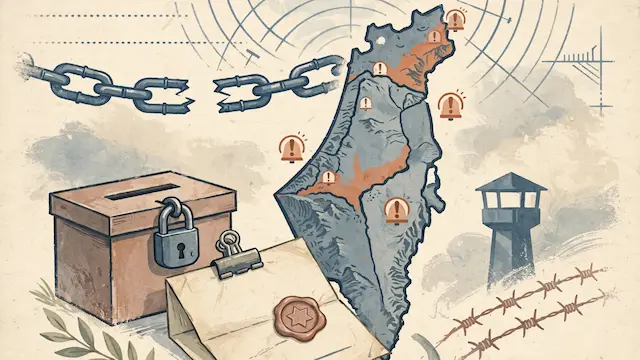
The Israeli military's Chief of Staff, Eyal Zamir, has ordered a restriction on all IDF troop leaves on election day, October 27, due to heightened concerns of a security escalation. This unusual decision comes amid increased vigilance within the defense establishment, fearing that Iran or its regional proxies might exploit the sensitive election period. The IDF has been closely monitoring developments in the region, particularly Iran's ballistic missile and drone tests. However, defense officials stated there is no concrete intelligence indicating an imminent attack by Iran or Hezbollah. A primary concern is an unintended escalation into a wider conflict, potentially triggered by a limited action from Iran, the Houthis, or other proxies, leading to Israeli retaliation and a multi-front escalation. Another scenario involves misinterpreting defensive measures as offensive preparations, prompting military responses. Chief of Staff Zamir previously warned of this risk, noting that "the potential for escalation has increased due to the multiplicity of alerts across all fronts and the sensitivity of the period." Prime Minister Benjamin Netanyahu also addressed the possibility of further conflict with Iran, stating in an interview that an attack on Israel would be Iran's "biggest mistake" and warning adversaries not to test Israel's capabilities. This security tension coincides with a sensitive political period, with Israeli elections on October 27 and U.S. midterm elections following on November 3.
Mentioned
The same event, reported separately by each outlet. Open a few to compare what different newsrooms emphasize — and what they leave out.
Centre 1Right 4Haredi 2Other 1








Not the same event — other stories that share this one’s people, places, or theme: background, reactions, and follow-ups.



