
Technion Students Battle for Support as Disabled Veterans
Translated & summarized from N12 by baba
Dozens of disabled IDF veterans and combat trauma survivors at the Technion are protesting the institution's refusal to provide them with the same accommodations given to reservists. Students report being forced to repeatedly disclose personal trauma and face difficulties with exams and class attendance. While other universities offer structured support, the Technion insists on individual assessments, leading some students to consider transferring. Legal advocates are supporting the students, arguing that accommodations are a right, and the Technion states it is committed to providing individualized support.
The story in 6 lines · by baba
- Disabled IDF veterans and combat trauma survivors at the Technion are protesting a lack of adequate academic accommodations.
- Students claim the Technion's individual approach forces repeated, painful disclosures of their conditions.
- Unlike other universities, the Technion does not automatically grant reservist-level support to disabled veterans.
- One student leader, Lior Levi, is reportedly being forced to leave the Technion due to unmet accommodation needs.
- Legal advocates are supporting the students, warning of potential legal action against the Technion.
- The Technion states it is committed to supporting disabled students with individualized, professional assistance.
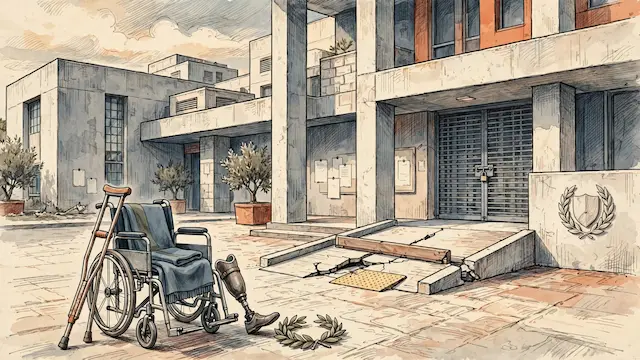
Dozens of disabled IDF veterans and combat trauma survivors beginning their studies at the Technion are claiming the institution is refusing to provide them with the same accommodations granted to reservists. While other Israeli universities have established support frameworks, the Technion insists on an individual approach, which students say forces them into painful, repeated self-disclosure. Lior Levi, a combat trauma survivor and student leader, stated that he is being forced to leave the Technion after three years of struggling for accommodations, having missed exams due to treatment and night terrors, and having to repeatedly explain his condition to lecturers. He noted that while reservists receive specific support, disabled veterans, who are essentially reservists who never stop serving, do not automatically qualify for similar provisions.
The issue highlights a systemic problem, as universities have developed uniform guidelines for reservists, but the transition for a reservist who becomes disabled during service is unclear. The Council for Higher Education acknowledges the difficulty in creating a universal plan for all disabled students and post-trauma survivors, opting instead for individualized solutions. This has led to approximately 2,500 disabled veteran students facing inconsistent support across different institutions. While some universities, like Tel Aviv University, offer class recordings and special exam dates, the Technion reportedly adheres strictly to individual assessments.
Another student, Rotem, shared that a rehabilitation official suggested he transfer to another university due to the Technion's lack of accessibility. He described being denied requests for recorded lectures or a private room to watch them, and facing difficulties with basic needs like parking. Shi, a fourth-year mechanical engineering student, recounted struggles with receiving extended exam times and ensuring accessible seating, often being told he "doesn't look disabled." He also highlighted the challenges of fluctuating physical pain impacting his ability to attend classes consistently, requiring constant explanations to lecturers.
Legal representatives from the Jerusalem Institute for Justice and the Combat Disabled Forum are supporting the students, emphasizing that accessibility accommodations are a right, not a privilege, and are essential for equal opportunity. They warn of potential legal action if the Technion does not change its approach. The Technion stated its commitment to supporting all students who served, particularly those with disabilities, and highlighted its expanded support services, including unique academic accommodations and the addition of clinical and rehabilitation psychologists. However, they maintained that accommodations are individualized due to the varied nature of disabilities, differing from the specific support provided to reservists for mandatory service absences.
Mentioned
The same event, reported separately by each outlet. Open a few to compare what different newsrooms emphasize — and what they leave out.
Only N12 so far.

Not the same event — other stories that share this one’s people, places, or theme: background, reactions, and follow-ups.
