
Acre Market Faces Collapse Amid Tourism Decline and Rising Costs
Translated & summarized from Cursorinfo by baba
Traders in Acre's Old City market are facing an economic crisis due to declining tourism, rising costs, and infrastructure issues, leading to business closures and staff reductions. They are demanding urgent action from the municipality, including infrastructure repairs and financial relief, while proposing initiatives to boost visitor numbers. The Acre municipality acknowledges the market's importance and plans to meet with traders to discuss their concerns and potential support measures.
The story in 5 lines · by baba
- Acre's Old City market is experiencing a severe economic crisis with declining customers and tourists.
- Traders cite rising expenses, poor infrastructure, and security concerns as major contributing factors.
- Businesses are reducing staff, closing early, or shutting down permanently due to financial strain.
- Traders are demanding infrastructure repairs, financial relief, and new initiatives to attract visitors.
- The Acre municipality plans to meet with traders to discuss their demands and potential support measures.
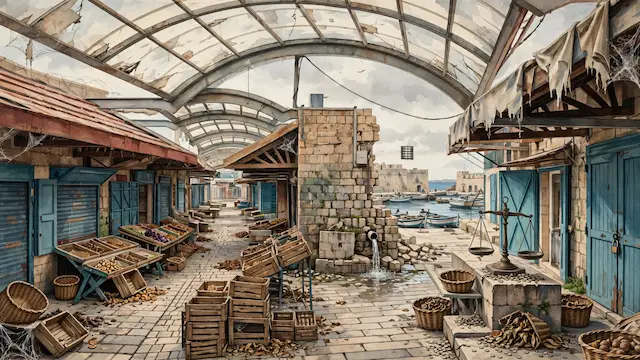
Traders at the market in Israel's Old City of Acre are sounding the alarm over a severe economic crisis, citing a sharp drop in customers, a lack of tourists, and escalating expenses. The situation has worsened due to deteriorating infrastructure, leading some businesses to reduce staff, close early, or shut down permanently, according to a report by Maariv. Business owners attribute the crisis, which began during the COVID-19 pandemic, to subsequent wars and security concerns. While weekend traffic has seen a partial recovery, weekdays remain sparsely populated, insufficient for sustainable income. Many long-term traders have depleted their savings and cannot rely on pensions.
Traders also report a boycott, with some individuals refusing to visit the Old City and support local businesses, particularly those owned by Arabs, due to events unrelated to them. This has impacted morale, leading to staff reductions and some businesses considering relocation. Operating hours have also been shortened, with some shops closing by midday. Unexpected losses occurred during the holiday season when anticipated customer influx failed to materialize, resulting in spoiled goods and continued operational costs.
Beyond customer shortages, traders are complaining about the poor state of the Old City's infrastructure, including damaged awnings, inadequate drainage causing unpleasant odors, and overheating in summer. They also point to a lack of trash bins and damaged flooring. Parking issues persist, with traders occupying spots long-term, though they acknowledge the need to improve visitor access. Concerns were also raised about insufficient control over motorcycles, scooters, and electric bikes in the Old City.
In a letter to Mayor Ovad Segav and the municipal administration, traders outlined demands for infrastructure repairs, improved cleaning, and additional waste bins. They also requested financial relief, such as freezing or reducing municipal payments, debt installment plans, and a halt to interest and penalties. The traders are seeking government aid and propose initiatives to attract visitors, including a weekly night market, gastronomic and cultural events, street performances, and a large-scale advertising campaign. They have requested an emergency action plan within 30 days and a long-term recovery strategy within 60 days, along with the establishment of a permanent coordination committee.
The Acre municipality stated that the market and Old City are vital centers for trade, tourism, and culture, and that city services are investing in cleaning, maintenance, and public order. They highlighted recent events like the International Alternative Theater Festival and a farmer's market as successful visitor attractions. A meeting between Mayor Ovad Segav and trader representatives is scheduled to discuss their demands and explore support measures, with the municipality affirming its commitment to developing tourism, trade, and the urban environment.