
US Photojournalist Heidi Levine Attacked During Olive Harvest in West Bank
Translated & summarized from i24NEWS by baba
American photojournalist Heidi Levine was attacked and hospitalized with injuries during an olive harvest near Ramallah on Friday. Levine, working for The Washington Post, claims Israeli settlers repeatedly kicked her. Palestinian accounts describe an attack by around 80 Jewish assailants who threw stones and set fires, with one Palestinian injured by IDF fire. The Prime Minister's Office stated the facts are unclear and under investigation, condemning all violence while raising questions about the incident's instigation.
The story in 6 lines · by baba
- US photojournalist Heidi Levine was attacked and hospitalized during an olive harvest in the West Bank.
- Levine claims Israeli settlers repeatedly kicked her, sustaining injuries to her hands and legs.
- The Washington Post confirmed the attack and called for a thorough investigation by authorities.
- Palestinian accounts describe around 80 Jewish assailants throwing stones and setting fires.
- The Prime Minister's Office stated the facts are unclear and under investigation, condemning all violence.
- The IDF confirmed forces responded to violent friction where a media worker was injured.
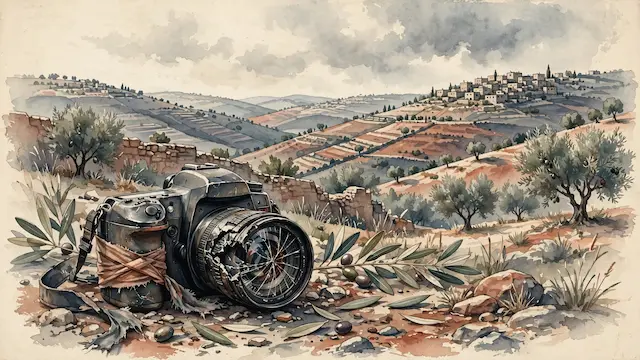
American photojournalist Heidi Levine, 63, working with The Washington Post, was attacked by Jewish assailants on Friday while covering an olive harvest in the village of Abu Falah, near Ramallah. Levine, who resides in Jerusalem and has been covering the region since 1983, was hospitalized in Ramallah with injuries to her hands and legs. The Washington Post confirmed the attack, stating Levine was clearly identified as a journalist and expressing anger over the "unjustified attack." They called for a thorough investigation.
Levine told reporters that a group of attackers beat her and knocked her to the ground, repeatedly kicking her approximately 50 times. Palestinian accounts claim around 80 Jewish assailants threw stones at harvesters and set olive trees and vehicles ablaze. Palestinian harvesters reportedly responded by throwing stones at the Israelis. One Palestinian was allegedly injured by fire from IDF forces who arrived with the Israelis.
The Prime Minister's Office stated that the facts surrounding the confrontation are still unclear and under investigation. They condemned violence against anyone, including journalists, and vowed accountability for perpetrators. However, they raised questions about the incident, citing reports of a larger group of Arabs and left-wing activists clashing with fewer Israeli youths, with masked individuals from both sides throwing objects and fireworks being fired at Jewish youths. The office emphasized that facts, not headlines, should guide conclusions and warned against delegitimizing Jewish residents of the West Bank.
The Benjamin Regional Council stated the confrontation began after Palestinians fired fireworks and threw stones, allegedly led by Palestinian Authority security forces in Area B. They reported that Border Police dispersed the clashes. The police are investigating the incident. The IDF Spokesperson's Unit confirmed that IDF and Border Police forces responded to a report of violent friction near the village, during which a media worker was injured. They stated that forces used crowd dispersal means and fired into the air and then at a suspect who posed a threat, before the friction was dispersed.
This incident occurs during the sensitive olive harvest season, which has seen other clashes. Last week, a Palestinian father and son were attacked by Israeli assailants in the village of Yabrud, their vehicle stolen. Reports also mentioned animal theft, olive tree arson, and violent attacks on farmers during that period. Separately, Jerusalem's Chief Rabbi Dov Lior issued a ruling permitting Jews to harvest olives, even in distant areas, to assert ownership of the land and fulfill the commandment of conquering the land, citing security concerns regarding Arab proximity to settlements. The Tzohar Rabbinical Organization opposed the ruling, calling it theft and a desecration of God's name, asserting that only the state can expropriate property and that the olives belong to their Arab owners as long as the state recognizes their ownership.
Mentioned
The same event, reported separately by each outlet. Open a few to compare what different newsrooms emphasize — and what they leave out.
Left 2Centre 7Right 1Arab 2Other 5


















Not the same event — other stories that share this one’s people, places, or theme: background, reactions, and follow-ups.


