
Israel Opposition Parties Clash Over Election Strategy
Translated & summarized from Cursorinfo by baba
Israeli opposition parties are experiencing internal conflict less than two weeks before elections, with Yisrael Beiteinu accusing Gadi Eisenkot's Yashar! party of poaching votes from within their bloc. Knesset Member Oded Forer stated Eisenkot's campaign aims to gain seats at the expense of partners, violating prior agreements. Yisrael Beiteinu warned of a retaliatory response if the aggressive tactics continue, threatening the opposition's unity.
The story in 5 lines · by baba
- Yisrael Beiteinu accused Gadi Eisenkot's party of poaching votes from within the opposition bloc.
- Knesset Member Oded Forer stated Eisenkot's campaign violates prior agreements among opposition parties.
- Eisenkot's strategy is seen as an attempt to gain Knesset seats at the expense of political partners.
- Yisrael Beiteinu warned of a retaliatory response if Eisenkot's aggressive tactics continue.
- The conflict escalates less than two weeks before Israeli elections, threatening opposition unity.
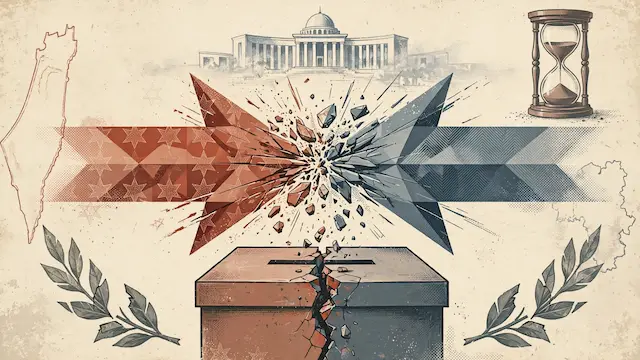
Tensions are escalating within Israel's opposition bloc as parties accuse each other of undermining agreements ahead of the upcoming elections. A closed-door meeting of the Yisrael Beiteinu party revealed sharp criticism directed at Gadi Eisenkot, chairman of the Yashar! party, for his aggressive campaign strategy. According to journalist Anna Barsky, writing for Maariv, Yisrael Beiteinu leadership, including Knesset Member Oded Forer, stated that Eisenkot's campaign to become the leading opposition candidate is actively poaching votes from within the "Change Bloc" itself.
Forer alleged that Eisenkot's tactics are designed to gain Knesset seats at the expense of his opposition partners, rather than drawing support from Netanyahu's bloc. "He is starting to suck mandates from Bennett, Yair Golan, and ours through a straw," Forer stated, accusing Eisenkot of prioritizing his own position over the unity of the opposition. Yisrael Beiteinu believes this strategy weakens other bloc parties, enabling Eisenkot to advance his own political agenda.
The party declared it would not stand idly by, warning that if Eisenkot has declared war, they will respond in kind. This internal conflict intensifies less than two weeks before voting begins, putting further pressure on the opposition. Earlier in September, leaders of the Change Bloc signed a document pledging to avoid mutual attacks and focus on increasing the bloc's overall support. However, these agreements appear to be fracturing as the election nears, leading to direct confrontations between opposition parties.
Mentioned




