
Israeli Parties Maneuver in Final Campaign Stretch Amidst Internal Strife
Translated & summarized from NEWSru Israel by baba
With 15 days until elections, Israeli parties are strategizing amidst internal distrust. The Likud targets Otzma Yehudit, while strengthening ties with the National Religious Party. Concerns are rising over declining support for ultra-Orthodox parties and the passivity of Haredi voters. The opposition bloc faces internal conflict, particularly regarding Naftali Bennett's controversial statement about Benjamin Netanyahu potentially serving as a minister in a future government, which was strongly opposed by other opposition leaders.
The story in 6 lines · by baba
- Israeli parties are strategizing in the final 15 days before elections, facing internal distrust.
- The Likud is targeting Itamar Ben-Gvir's Otzma Yehudit, which may gain significant seats.
- Prime Minister Netanyahu is strengthening ties with the National Religious Party and attacking smaller parties.
- Ultra-Orthodox parties, key Likud allies, are showing declining poll numbers, causing concern.
- The opposition bloc is divided over Naftali Bennett's suggestion that Netanyahu could be a minister in their government.
- Avigdor Lieberman vehemently rejected any possibility of Netanyahu serving in a future government.
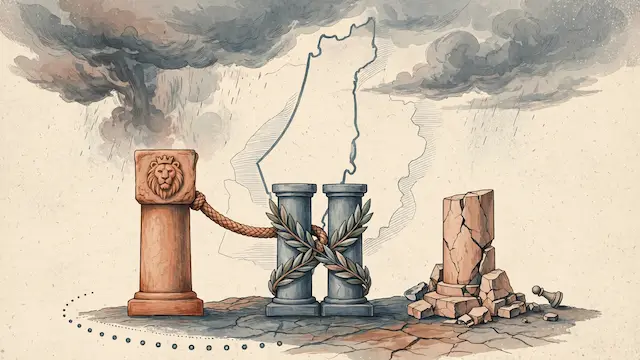
With 15 days remaining until the elections, Israeli parties are finalizing their strategies, marked by deep distrust not only of opposing camps but also of recent allies. Within the Likud party, efforts are concentrating on attacking Itamar Ben-Gvir's Otzma Yehudit, which internal polls suggest could gain 12-15 seats. This potential surge has led to speculation that Prime Minister Benjamin Netanyahu may be forced to include Ben-Gvir in his coalition, possibly granting him the defense minister portfolio. Netanyahu's stated goal, according to Yediot Ahronot, is to limit Otzma Yehudit's mandate count.
Simultaneously, Netanyahu is strengthening ties with the National Religious Party (Tzionut Datit), forming a joint "Staff for Saving the Right-Wing Camp." The Likud is also continuing its offensive against Ofer Winter's Amcha Yisrael party. Following a meeting with Likud list members in Tel Aviv, Netanyahu reportedly ordered continued direct attacks on Winter's party. Energy Minister Eli Cohen stated on October 12 that votes for Amcha Yisrael could be wasted, potentially leading to a left-wing government supported by Mansour Abbas.
The Likud also expresses concern over the declining popularity of ultra-Orthodox parties, historically loyal allies. While Shas and United Torah Judaism hold 18 mandates in the current Knesset, polls indicate they may secure only 14-15 in the next, despite their natural growth potential. Likud is reportedly worried about the passivity of Haredi voters and plans to intensify outreach efforts.
Meanwhile, the opposition bloc is experiencing internal conflicts. The Yashar party believes the elimination of smaller parties like Miluimnikim-Kalkalit and Amcha Yisrael will benefit Gadi Eisenkot's party, prompting an active campaign against parties near the electoral threshold. A dispute also persists over Naftali Bennett's statement that Netanyahu could serve as a minister in their government, a sentiment sharply rejected by opposition leaders like Avigdor Lieberman, who vowed Netanyahu would not be part of any future government, nor would ultra-Orthodox or Arab parties.
Bennett's remark has reportedly increased mutual suspicion within the Bayahad bloc. Yair Lapid's circle suspects Bennett plans to pursue independent coalition negotiations post-election to maintain autonomy. Associates of Finance Minister Bezalel Smotrich, however, believe Bennett will seek to rejoin Netanyahu's government to regain standing within the right-wing camp.
Mentioned



