Israel's General Election Voting Begins Abroad
Translated & summarized from Ministry of Foreign Affairs by baba
Voting for Israeli representatives abroad began on October 15, with approximately 4,800 eligible voters participating at 101 polling stations worldwide. The process started in New Zealand and Fiji and will conclude on the US West Coast on October 16. The operation is a joint effort by the Ministry of Foreign Affairs and the Central Elections Committee, ensuring a secure and fair election. Ballot envelopes will be sent to Israel for counting in the upcoming elections for the 26th Knesset.
The story in 5 lines · by baba
- Voting for Israeli representatives abroad commenced on October 15, involving 4,800 eligible voters at 101 polling stations.
- The overseas voting process started in New Zealand and Fiji and will conclude on the US West Coast on October 16.
- The operation is a joint logistical effort between the Ministry of Foreign Affairs and the Central Elections Committee.
- Two command centers are monitoring the voting process around the clock to ensure security and fairness.
- Ballot envelopes will be transferred to Israel for counting in the elections for the 26th Knesset.
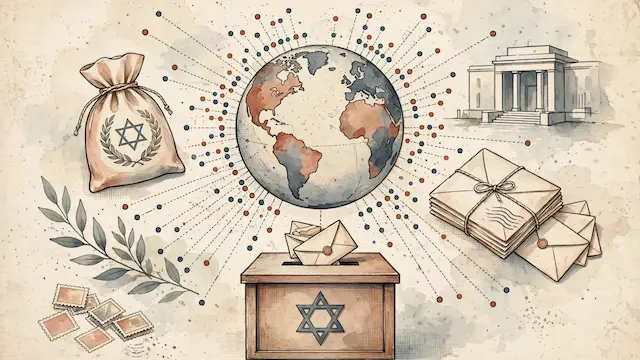
Voting for Israeli representatives abroad commenced on October 15, twelve days before the general elections in Israel. Approximately 4,800 Israeli envoys and their eligible family members worldwide are casting their ballots at 101 polling stations in 99 Israeli missions. This process includes diplomats, government ministry employees, and their families serving overseas.
Due to time differences, voting began on October 14 at 11:00 PM Israel time at the Israeli Embassy in Wellington, New Zealand, followed by the Israeli Embassy in Suva, Fiji, at 12:01 AM Israel time. The voting process spans approximately 30 hours, moving westward across the globe. The final polling stations will close on the US West Coast, in Los Angeles and San Francisco, on October 16 at 6:00 AM Israel time. The largest polling station is located at the Israeli Consulate in New York, with over 700 eligible voters.
The operation is a joint effort between the Ministry of Foreign Affairs and the Central Elections Committee, involving training poll workers, transporting materials, coordinating across time zones, and ensuring a secure and fair process. Two election command centers, one at the Ministry of Foreign Affairs and another at the Central Elections Committee, are operating in tandem to address issues and monitor the voting progress around the clock.
Chairman of the Central Elections Committee, Justice Noam Sohlberg, visited the Ministry of Foreign Affairs' situation room along with Civil Service Commissioner Doron Haim Cohen, Acting Director-General of the Central Elections Committee Dean Livna, and Director-General of the Ministry of Foreign Affairs Eden Bar Tal. They received an update on the voting process and spoke live with polling station managers abroad.
Ambassador Aviva Raz Shechter, head of the Elections Array Team at the Ministry of Foreign Affairs, stated that the day marks the culmination of months of preparation, calling it a "continuation of tradition and a celebration of democracy." Acting Director-General Dean Livna emphasized the importance of ensuring this right for all Israeli representatives abroad, noting the advanced control and supervision systems in place to guarantee an orderly and secure election process. He thanked the Ministry of Foreign Affairs and other officials for their partnership and professionalism.
Following the conclusion of voting, ballot envelopes will be transferred to Israel under supervision for counting in the elections for the 26th Knesset. The Ministry of Foreign Affairs election team will update the Central Elections Committee on the voting figures once the last polling station closes.
Mentioned
The same event, reported separately by each outlet. Open a few to compare what different newsrooms emphasize — and what they leave out.
Centre 6Right 4Haredi 2Arab 3Other 3





















Not the same event — other stories that share this one’s people, places, or theme: background, reactions, and follow-ups.