
Overseas Israeli Embassies Begin Knesset Election Voting
Translated & summarized from Mignews by baba
Voting has begun at Israeli embassies and consulates around the world for the upcoming Knesset elections on October 27th. Approximately 4,800 diplomats and their families are eligible to vote at 101 polling stations in 99 locations. The voting period lasts about 30 hours, with ballots to be flown back to Israel for counting.
The story in 6 lines · by baba
- Voting for the Knesset elections started at Israeli embassies worldwide on October 15th.
- Only diplomats and their families can vote overseas; 4,800 are eligible.
- Voting occurs at 101 stations in 99 diplomatic missions globally.
- The voting period lasts approximately 30 hours.
- Ballots will be flown to Israel for the final count.
- The election date is October 27th.
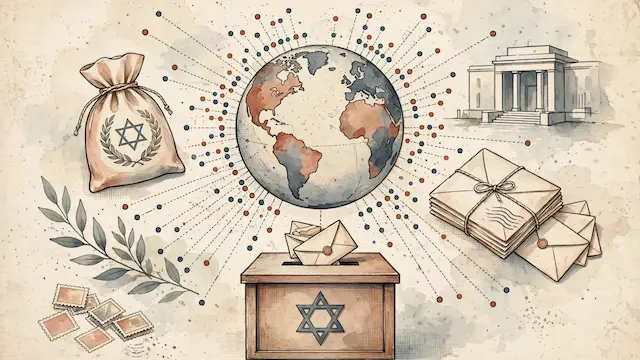
Voting for the upcoming Knesset elections has commenced at Israeli diplomatic missions worldwide. The process began on Thursday, October 15th, with the first ballot cast shortly after polling stations opened. This early voting period is exclusively for employees of Israeli diplomatic missions and their families, and it will last approximately 30 hours.
A total of 101 polling stations will be established across 99 diplomatic missions, accommodating around 4,800 eligible voters. For the majority of Israeli citizens, this overseas voting option is not available.
The first polling station to open was at the Israeli Embassy in Wellington, New Zealand, at 9:00 AM local time. An hour later, voting began at the Israeli Embassy in Fiji. The last polling stations to close will be in Israel's consulates in San Francisco and Los Angeles, at 8:00 PM local time on Friday, October 16th, which is 6:00 AM in Israel.
Following the conclusion of voting, the ballots will be transported by air to Israel and delivered to the Knesset for the vote count.
The same event, reported separately by each outlet. Open a few to compare what different newsrooms emphasize — and what they leave out.
Centre 2Right 1Haredi 1Other 2





Not the same event — other stories that share this one’s people, places, or theme: background, reactions, and follow-ups.




