
Unvaccinated Infant Hospitalized with Bacterial Meningitis in Jerusalem
Translated & summarized from Makor Rishon by baba
A six-month-old unvaccinated infant was hospitalized in Jerusalem with bacterial meningitis caused by the Haemophilus influenzae bacterium. Doctors at Shaare Zedek Medical Center diagnosed the illness and began treatment, with the child's condition now stable. The case highlights the importance of adhering to Israel's national immunization schedule, as the bacterium is preventable by vaccine. Physicians warn of immediate life-threatening risks and potential long-term neurological damage from the infection.
The story in 5 lines · by baba
- An unvaccinated six-month-old infant was hospitalized in Jerusalem with bacterial meningitis.
- The infant contracted the Haemophilus influenzae bacterium, preventable by routine vaccination.
- Doctors at Shaare Zedek Medical Center diagnosed the illness and began antibiotic treatment.
- The child's condition is currently stable and conscious, with expected recovery.
- Physicians stressed the critical importance of adhering to the national immunization schedule.
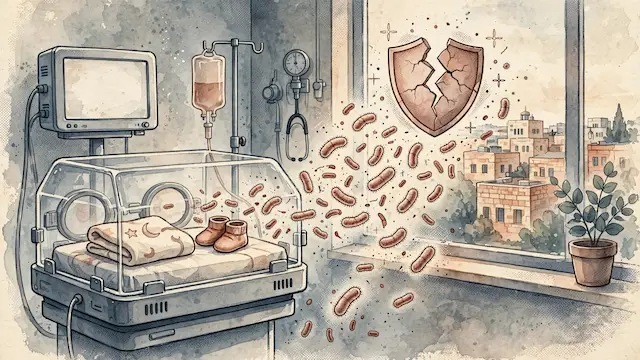
A six-month-old infant in Jerusalem has been hospitalized at Shaare Zedek Medical Center with bacterial meningitis, caused by the Haemophilus influenzae bacterium. This particularly virulent bacterium is covered by Israel's routine "Tipat Halav" (Well Baby Clinic) vaccination program. The infant was initially brought to the hospital's pediatric emergency department suffering from a high fever and general malaise. Following extensive medical and nursing evaluation, doctors diagnosed the bacterial cause of the illness and began aggressive antibiotic treatment. The child was transferred to the Pediatric Intensive Care Unit, managed by Dr. Jacques Braun, for close monitoring. The infant's condition is currently stable, fully conscious, and expected to move to the general pediatrics ward, managed by Prof. Orly Migdal, for further recovery.
Hospital physicians are using this concerning case to re-emphasize the critical importance of adhering to the national immunization schedule. Dr. Amir Zilka, a senior physician in the Pediatric Intensive Care Unit, stated that medical teams encounter potentially life-threatening illnesses that could be easily prevented by effective and safe vaccines. He explained that Haemophilus influenzae type B can cause meningitis, severe blood infections, and pneumonia, with symptoms including fever, headache, vomiting, and altered consciousness. Beyond immediate life-threatening risks, bacterial meningitis can lead to long-term effects on a child's health and neurological function.
Mentioned







