
Unvaccinated Infant Hospitalized with Bacterial Meningitis in Jerusalem
Translated & summarized from Now 14 by baba
A six-month-old infant who had not received routine vaccinations was hospitalized in Jerusalem with bacterial meningitis caused by Haemophilus influenzae type B. The child's condition has stabilized in the pediatric intensive care unit. Doctors stressed the importance of vaccination, noting that the preventable illness can have severe and long-term consequences.
The story in 5 lines · by baba
- An unvaccinated six-month-old infant was hospitalized with bacterial meningitis in Jerusalem.
- The infant was diagnosed with Haemophilus influenzae type B, a preventable infection.
- Doctors emphasized that the life-threatening illness could have been prevented by vaccination.
- The child's condition has stabilized in the pediatric intensive care unit.
- Bacterial meningitis can lead to severe complications, including neurological damage.
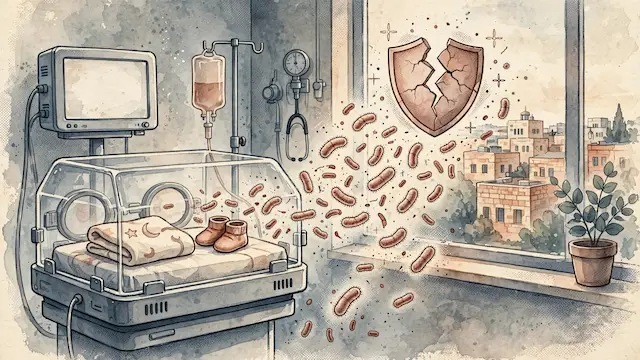
A six-month-old infant who had not received routine vaccinations was hospitalized in serious condition at Shaare Zedek Medical Center in Jerusalem with bacterial meningitis. The child was diagnosed with the illness caused by Haemophilus influenzae type B (Hib), a bacterium against which a vaccine is part of Israel's standard immunization schedule. The infant was brought to the pediatric emergency room suffering from a high fever and general malaise. After extensive tests, medical staff determined the cause to be Hib meningitis. The child was admitted to the pediatric intensive care unit, where his condition was stabilized. He is fully conscious and is expected to be moved to the pediatric ward for further treatment and monitoring. Dr. Amir Zilka, a senior physician in the unit, emphasized the importance of vaccinations in preventing severe illness. "Unfortunately, we encounter cases of potentially life-threatening illnesses that can be prevented by an effective and safe vaccine," he stated. He warned that Hib can cause meningitis, bloodstream infections, and pneumonia, and that bacterial meningitis can lead to long-term neurological damage.







