
Nobel Peace Prize Award to Navi Pillay Sparks Controversy Amid Anti-Israel Stance
Translated & summarized from Makan by baba
Judge Navi Pillay has been awarded the Nobel Peace Prize, a decision that has sparked widespread controversy and criticism. Opponents cite her perceived anti-Israel stance as grounds for disqualification, arguing she is an unsuitable recipient for the prestigious award. The controversy highlights divisions over the prize's criteria and its application in international conflicts.
The story in 4 lines · by baba
- Judge Navi Pillay's Nobel Peace Prize award has drawn significant controversy.
- Critics cite her perceived anti-Israel stance as a reason for opposition.
- The decision has been labeled 'controversial' by multiple sources.
- The award has ignited debate over the Nobel Peace Prize's criteria.
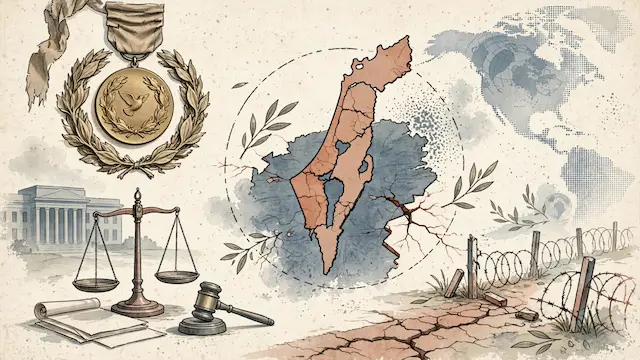
The decision to award the Nobel Peace Prize to Judge Navi Pillay has ignited significant controversy, drawing criticism from various quarters due to her perceived anti-Israel stance. The award has been labeled as controversial by multiple sources, highlighting concerns over Pillay's past actions and statements concerning Israel.
Critics argue that Pillay's history demonstrates a bias against Israel, making her an unsuitable recipient for an award that is meant to honor peace and reconciliation. The specific nature of these criticisms and the exact reasons for her perceived anti-Israel sentiment were not detailed in the provided text, but the general sentiment indicates strong opposition from several groups.
This backlash suggests a deep division regarding the criteria for the Nobel Peace Prize and its application in the context of international relations and ongoing conflicts. The controversy surrounding Pillay's award is expected to continue as more details emerge about the decision-making process and the reactions from various international bodies and advocacy groups.
The same event, reported separately by each outlet. Open a few to compare what different newsrooms emphasize — and what they leave out.
Right 1Haredi 1Arab 2Other 3





Not the same event — other stories that share this one’s people, places, or theme: background, reactions, and follow-ups.