
Netanyahu Trial: Defense Seeks to Sway Public Opinion, Not Just Judges
Translated & summarized from Israel Hayom by baba
Former Attorney General Avichai Mandelblit testified as a defense witness in Prime Minister Benjamin Netanyahu's trial, admitting to "improper" investigative actions. However, the article posits that the court is unlikely to dismiss the indictment based on this, as it would undermine the prosecution system. Both the defense and prosecution are accused of politicizing the trial, aiming to influence public opinion ahead of upcoming elections, with the ultimate verdict expected from voters.
The story in 6 lines · by baba
- Former AG Avichai Mandelblit testified in PM Netanyahu's trial, admitting to "improper" investigative actions.
- The court is unlikely to dismiss the indictment, despite Mandelblit's admissions, to preserve the prosecution system.
- Netanyahu's defense is reportedly aiming to influence public opinion, not just the judges.
- The prosecution is also accused of politicizing the trial by releasing indictment details before elections.
- The article suggests the public's vote will be the ultimate decision in the trial.
- The next "court of the ballot box" session is scheduled for October 27.
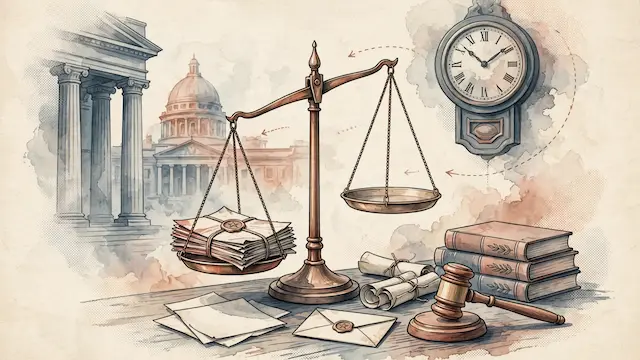
In a Jerusalem court on Sunday, former Attorney General Avichai Mandelblit testified as a defense witness in the trial of Prime Minister Benjamin Netanyahu. Mandelblit's admissions, such as "certainly improper things were done" and "there were serious actions that were not approved in hindsight," provided the defense with potential evidence to argue for the dismissal of the indictment. However, the article suggests the court is unlikely to accept such a claim, as it would effectively mean the prosecution's conviction and could dismantle the entire prosecution system.
Mandelblit himself explained this logic, calling an investigative tactic used on Nir Hefetz "improper and incorrect" but admitting he did not investigate the interrogators because he "prioritized the proper management of this case over exhausting the prosecution." This, the article argues, shows he chose not to "saw off the branch" they were all sitting on, a stance the judges are also expected to maintain.
Netanyahu and his lawyers are aware that Mandelblit's testimony is unlikely to convince the judges. Instead, the testimony, along with Netanyahu's presence in court, is seen as an attempt to influence public opinion, particularly with elections approaching. This strategy of addressing the public rather than solely the court began on Netanyahu's first day of testimony in December 2024, when he made statements that could harm his acquittal, prioritizing the politician 'Bibi' over the defendant Benjamin.
The prosecution is also accused of playing this external game. In February 2019, weeks before an election, they chose to publish the indictment and announce their intention to indict the Prime Minister, rejecting his lawyers' request to wait until after the elections. Then-State Attorney Shai Nitzan stated that if a case is ready for a decision, there is "no reason to wait to publish a decision just because elections are approaching," citing the public's right to know. This, the article contends, was a direct appeal to voters.
The trial is thus described as a dual proceeding: one in the courtroom with judges, rules of evidence, and the presumption of innocence, and another, larger courtroom of millions of voters. The defense, having despaired of a dismissal from the first court, is now seeking protection from the second. Similarly, the prosecution ensured the public knew before the judges did. Both sides accuse each other of politicization, and the article concludes that the answer to who will win will be decided by the "court of the ballot box" on October 27.
Mentioned
The same event, reported separately by each outlet. Open a few to compare what different newsrooms emphasize — and what they leave out.
Left 2Centre 3Right 7Haredi 3Arab 2Other 5






















Not the same event — other stories that share this one’s people, places, or theme: background, reactions, and follow-ups.