Haifa's Tel Shikmona National Park Reopens After Two Years of Renovations
Translated & summarized from Kipa by baba
Haifa's Tel Shikmona National Park has reopened after two years of renovations and development, costing around 3 million shekels. The site, boasting over 3,500 years of history, now features improved walking paths and informational displays. The project aimed to preserve archaeological findings while enhancing the visitor experience. The park is located near the National Institute of Oceanography in Haifa.
The story in 5 lines · by baba
- Tel Shikmona National Park in Haifa reopened after two years of renovations.
- The archaeological site holds over 3,500 years of history, dating back to the 15th century BCE.
- The upgrade cost approximately 3 million shekels and included new paths and signage.
- The site was known as Prophyrion and was a center for purple dye production.
- The project was a collaboration between multiple Israeli institutions and local activists.
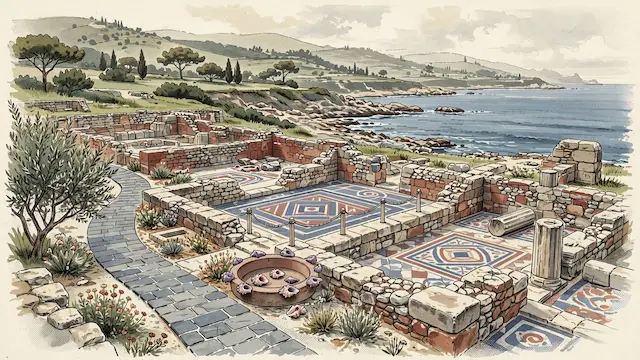
The Tel Shikmona National Park in Haifa has reopened to visitors following two years of preservation and development work. The archaeological site, which holds over 3,500 years of history, underwent an upgrade costing approximately 3 million shekels. The enhancements include new walking paths, informational signage, and seating areas, funded by the Fund for the Preservation of Open Spaces.
During the renovations, efforts were made to stabilize the archaeological excavation walls while preserving undiscovered findings and layers. Tel Shikmona is considered Haifa's oldest archaeological site, dating back to the 15th century BCE. It was once the city of Prophyrion, known as a center for producing the valuable purple dye derived from sea snails.
The site features the ruins of a magnificent church adorned with stunning mosaics. Visitors can also enjoy the proximity to the sea and a pleasant walking route near Haifa's urban area. The national park, declared in 2008, is adjacent to the Shikmona Sea Nature Reserve.
The development project was a collaborative effort led by the Israel Oceanographic and Limnological Research Institute, in partnership with the Israel Nature and Parks Authority, Haifa Municipality, the University of Haifa, the Israel Antiquities Authority, and local activists. Public access to the park is available near the National Institute of Oceanography in Haifa, with directions provided for both drivers and pedestrians.
Mentioned