
Israel's Parks and Reserves Host 70,000 Visitors in One Day
Translated & summarized from Mignews by baba
Israel's national parks and nature reserves saw around 70,000 visitors on Saturday, October 10, 2026. Popular sites included Masada and Caesarea, with over 5,000 people camping. However, the Israel Nature and Parks Authority imposed strict access bans to riverbeds and riverbanks in the Dead Sea and Judean Desert regions due to a high risk of flash floods.
The story in 5 lines · by baba
- Approximately 70,000 visitors flocked to Israel's national parks and nature reserves on Saturday, October 10, 2026.
- Popular destinations included national parks such as Masada, Caesarea, and Yarkon.
- Over 5,000 people utilized campsites managed by the Israel Nature and Parks Authority.
- Strict access restrictions were imposed on riverbeds and riverbanks in the Dead Sea and Judean Desert.
- The restrictions were a response to a high risk of flash floods and potential riverbank collapse.
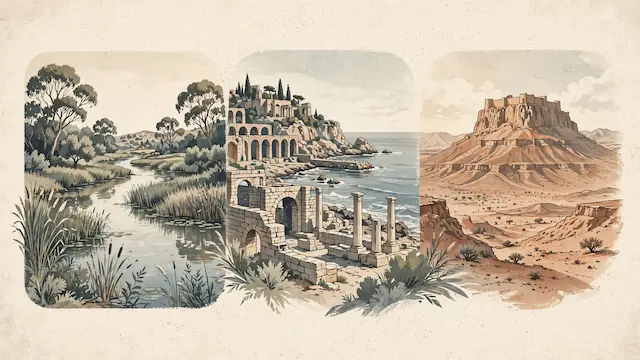
On Saturday, October 10, 2026, Israel's national parks and nature reserves welcomed approximately 70,000 visitors, according to the Israel Nature and Parks Authority, as reported by Ynet. Popular destinations included the Yarkon, Caesarea, Masada, Tel Ashkelon, Gan HaShlosha, and Ein Hamed national parks. Additionally, over 5,000 people spent the weekend at campsites managed by the authority. Northern Israel saw high demand at Ein Harod, Achziv, and Hurshedat Tal, while Ashkelon was a favored spot in the central region. Southern visitors frequented Mamshit and Khan Be'erot in the Ramon Crater.
Despite the high visitor numbers, the Nature and Parks Authority implemented strict restrictions due to weather conditions. The meteorological service issued a warning about a high risk of flash floods in the Dead Sea and Judean Desert areas. Consequently, all pedestrian and vehicle access to riverbeds was prohibited until water levels recede. Officials emphasized the life-threatening danger posed by these floods and also banned people from approaching riverbanks due to the risk of collapse.
Mentioned



