
Syrians Caught Between Turkish Border Guards and Israel: Does Victim Value Shift With Perpetrator?
Translated & summarized from i24NEWS Arabic by baba
A Syrian human rights group reported 99 Syrians killed or injured by Turkish border guards since late 2024, while the killing of Mohammed Ayman Dabour by Israeli forces in Quneitra raises similar concerns about civilian protection. The article questions whether political interests and international relations influence the level of justice sought for victims. While human rights groups have condemned Turkish actions, the extent of governmental pressure and accountability remains debated, with significant EU funding for Turkey's refugee programs potentially playing a role. The piece calls for equal accountability for all parties involved in harming Syrians.
The story in 6 lines · by baba
- 99 Syrians killed or injured by Turkish border guards since late 2024, according to a human rights monitor.
- The killing of Mohammed Ayman Dabour by Israeli forces in Quneitra prompts questions about civilian protection.
- The article questions if political relations affect international attention and justice for Syrian victims.
- Human rights groups have condemned Turkish border guard actions, but governmental pressure is debated.
- EU funding for Turkey's refugee programs may influence international willingness to pressure Ankara.
- The piece calls for equal accountability for all forces targeting Syrians, including Israel and Turkey.
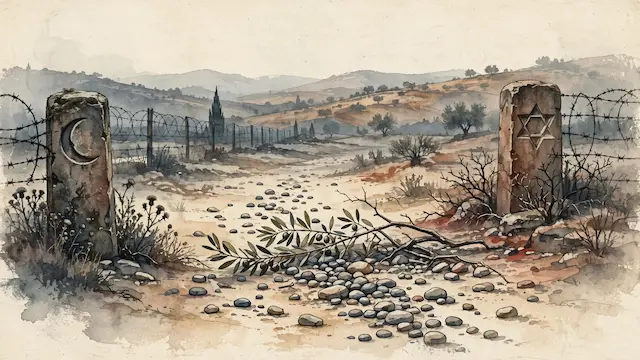
A Syrian human rights monitor reported on October 6, 2026, that 99 Syrians have been killed or injured by Turkish border guards since the fall of the Assad regime. In the south, the killing of Mohammed Ayman Dabour by Israeli forces near Al-Hamidiyah in rural Quneitra has reignited questions about civilian protection and accountability for those who open fire. The article posits that political relations may influence the level of attention given to victims and demands for justice, regardless of differing locations and circumstances.
The Syrian Observatory for Human Rights documented 19 deaths and 80 injuries among Syrians on the Turkish border between December 8, 2024, and the end of 2025. This period saw eight Syrians killed, including a child, and 30 injured, including a woman. From the start of 2026 until the report's date, 11 people were killed and 50 injured, including children. Incidents include shootings during border crossings, beatings and torture after detention, and targeting individuals near the border within Syria. In July alone, the observatory counted two deaths and 27 injuries, including a young man who died after being beaten and 16 young men from Deir Ezzor who sustained various injuries and fractures.
Regarding the incident in Quneitra, the Observatory reported Dabour's death near Al-Hamidiyah, with his body returned after the Syrian Arab Red Crescent and UN observers intervened. Israeli accounts state forces opened fire as he approached a military site. The article questions whether labeling someone a "suspect" adequately addresses the circumstances of their death, the threat they posed, warnings issued, and the possibility of avoiding lethal force.
While human rights organizations have condemned Turkish border guard actions, citing reports from Human Rights Watch in April 2023 accusing them of shooting civilians and torturing asylum seekers, the article distinguishes between human rights condemnation and governmental diplomatic pressure. It questions whether these reports have led to transparent investigations, accountability, and preventative measures.
The article suggests that potential disparities in attention may stem from political interests, particularly the European Union's extensive cooperation with Turkey on refugee management, including over 12.4 billion euros in funding since 2011. This cooperation raises questions about the influence of migration control priorities on governments' willingness to pressure Ankara, though it does not prove a deliberate cover-up.
In contrast, Israeli actions in the south are linked to issues of occupation, sovereignty, and the disengagement agreement, which are subjects of UN discussions. The article calls for Damascus to uphold the same standards for all forces targeting Syrians, demanding documentation, explanations from involved parties, follow-up investigations, and support for victims' families. It argues that relations with Ankara should not grant Turkish violations political immunity, nor should condemning Israel absolve Damascus of monitoring its northern borders. The ultimate goal, it states, is expanded accountability for all, ensuring Syrians receive equal justice regardless of who is responsible for the violence.