
Israel to Enhance Pre-Flight Crew Checks After Dubai Air Incident
Translated & summarized from Behadrei Haredim by baba
Israeli authorities knew the co-pilot of a Flydubai flight to Israel held Omani citizenship before departure but allowed the flight to proceed, exposing security flaws. Following an internal investigation by Flydubai and subsequent dismissals, the airline seeks to resume flights. Israel is now implementing new security protocols, including pre-flight vetting of crew from high-risk countries and individuals with passports from nations without diplomatic ties.
The story in 5 lines · by baba
- Israeli authorities were aware of the co-pilot's Omani citizenship before a Flydubai flight but approved its departure.
- Flydubai dismissed a significant number of employees following an internal investigation into the security breach.
- Israel will now require 48-hour advance security vetting for crew from designated high-risk countries.
- New procedures will enhance checks on passengers and crew holding passports from countries without diplomatic ties to Israel.
- The Population and Immigration Authority is now explicitly responsible for verifying aircrew and passenger passports.
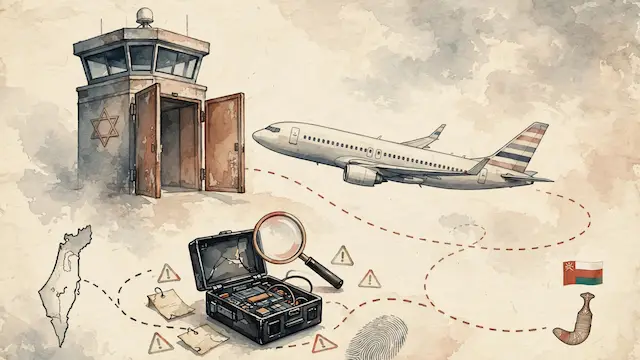
A near-disaster involving a Flydubai flight to Israel has exposed significant security lapses, with reports revealing that Israeli authorities had prior knowledge of the co-pilot's identity and Omani citizenship before the flight departed. Foreign airlines are required to submit crew details, including citizenship, to Israel's National Security Council (NSC) Aviation Security Operations Center before flying to the country. Airlines receive a secret code and approval to fly only after this information is processed. Despite the co-pilot's Omani passport being known, he was not prevented from traveling to Israel.
In parallel, Flydubai has completed its internal investigation into the incident. The airline's CEO and UAE officials informed Israel that the points of failure had been identified, and a substantial number of employees involved in the security breach were dismissed. Following these actions, Flydubai requested permission from Israel's Minister of Transport, Yari Regev, to resume flights to Israel.
In response to the security failures, Israel has initiated new procedures for handling pre-flight information. A closed meeting of the Foreign Affairs and Defense Committee's Subcommittee on Intelligence, chaired by MK Boaz Bismut, decided on several new measures. The NSC will collaborate with the Mossad and Shin Bet to create a list of high-risk countries. Crew members from these nations will require their details to be submitted to Israel 48 hours prior to flights for security vetting and approval.
Further changes will affect passengers and crew holding passports from countries without diplomatic ties with Israel. At the Ministry of Transport's request, the Population and Immigration Authority will provide lists of such individuals to the ministry's security department. The Population and Immigration Authority, via the NSC, is now explicitly responsible for verifying the passports of passengers and aircrew, ensuring necessary information is passed to relevant authorities. These Israeli measures aim to close the identified information and vetting gaps concerning individuals entering the country.
Mentioned
The same event, reported separately by each outlet. Open a few to compare what different newsrooms emphasize — and what they leave out.
Centre 1Right 1Haredi 1


Not the same event — other stories that share this one’s people, places, or theme: background, reactions, and follow-ups.



