Bezeq and Yes Near Merger, Promising Bundled Services and Price Competition
Translated & summarized from Vesty by baba
Bezeq and its subsidiary Yes are moving towards a potential merger that would allow them to offer bundled phone, internet, and TV services. A joint regulatory commission is finalizing recommendations, with public hearings expected soon. If approved, the merger could lead to more competitive pricing and allow Bezeq to leverage Yes's past losses for tax savings. However, the process faces potential delays due to upcoming elections and will still involve operational restrictions.
The story in 6 lines · by baba
- Bezeq and Yes are nearing a potential merger to offer bundled phone, internet, and TV services.
- Regulators are reviewing the requirement for Bezeq and Yes to operate separately.
- The merger, if approved, is not expected to be implemented until 2027.
- The move aims to increase competition with rivals like HOT, Cellcom, and Partner.
- The merger could result in tax savings for Bezeq, estimated at up to 1.2 billion shekels over ten years.
- Upcoming elections may delay the final decision on the merger.
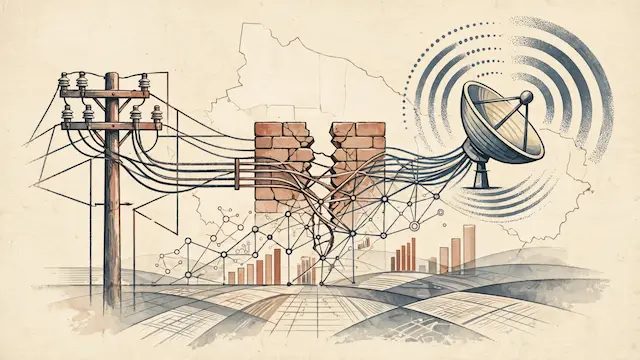
Bezeq is poised to offer customers integrated packages of phone, internet, and Yes television services for the first time, contingent on regulators lifting a requirement for Bezeq and its subsidiary Yes to operate separately. The merger, if approved, is not expected to take effect until 2027. A joint commission from the Ministry of Communications, Ministry of Finance, and the Competition Authority announced on Tuesday, October 6, that it is finalizing its recommendation on the matter. The commission had been reviewing the necessity of the companies' separation, a requirement originally set to be re-evaluated in 2025. Following the publication of the commission's findings, public hearings will be held, potentially as early as next week according to Bezeq, despite the upcoming elections. The removal of current restrictions would enable the companies to combine forces and compete more effectively with rivals like HOT, Cellcom, and Partner by offering multi-service bundles. Currently, Bezeq customers wanting Yes television must subscribe separately. Analysts anticipate that a bundled package could be more affordable. However, even if approved, the merger will include stipulations, particularly concerning the separation of infrastructure management from customer service operations. These regulations were initially implemented due to Bezeq's dominant market position, with regulators aiming to maintain competition and prevent further consolidation of power. The proximity of elections could delay the final decision, as the review of public feedback after hearings will take time. Consequently, final approval is unlikely before the vote, potentially leaving the decision to a new minister who might not favor the merger despite expert recommendations. Beyond offering new bundled services, the merger could allow Bezeq to reduce its tax burden by utilizing Yes's accumulated losses, potentially saving up to 1.2 billion shekels over ten years. Bezeq also claims the consolidation would streamline bureaucracy, freeing up resources for product development and technological advancement.
Keep up with
Mentioned