
Israel's Communications Ministry to Propose Ending Structural Separation of Bezeq and yes
Translated & summarized from Calcalist by baba
The story in 5 lines · by baba
- Ministry of Communications to propose ending structural separation of Bezeq and yes.
- The move could allow Bezeq and yes to merge under one CEO.
- Separation of Pelephone and Bezeq International will be maintained.
- Bundled services could be offered to consumers, potentially lowering costs.
- A public hearing will precede any final decision, likely after elections.
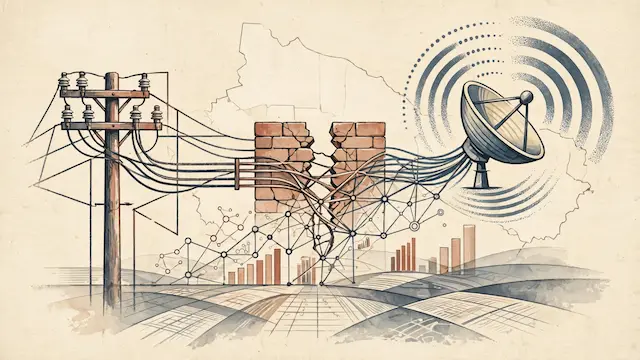
Israel's Ministry of Communications is expected to soon publish a public hearing notice regarding the cancellation of the structural separation between telecom giant Bezeq and its satellite television provider yes. This move, according to industry sources, would allow the two companies to merge under a single CEO, potentially Bezeq's current CEO Nir David. The structural separation, a relic from when Bezeq held a monopoly, requires its subsidiaries to operate with separate management and systems, and restricts the bundling of services. While the separation between Bezeq and yes is likely to be lifted, the structural separation of other Bezeq subsidiaries, Pelephone and Bezeq International, will remain in place. Bezeq International is headed by Meni Baruch, and Pelephone will continue under Ilan Sigal, who also currently serves as CEO of yes. A joint team from the Ministry of Communications, Ministry of Finance, and the Competition Authority has been examining the structural separation of Bezeq over the past year, exploring options for its cancellation or easing. Bezeq's chairman Tomer Ra'abad and CEO Nir David have advocated for the merger of Bezeq and yes, a proposal that appears to be favored by the joint team. The public hearing process is expected to take several weeks, meaning a final decision will not be made before the upcoming elections. If the separation is indeed canceled, Bezeq and yes will be able to offer bundled service packages to consumers, potentially lowering overall costs. Industry insiders note that a business model solely focused on television is unsustainable due to high content costs, and that bundling services is a more viable approach. The Ministry of Communications confirmed that an inter-ministerial team is concluding its review of the structural separation obligations for Bezeq and HOT, and a public hearing will follow. Bezeq did not provide a comment.
Mentioned




