Israel's Education System Faces Crisis Amid High Class Sizes and Teacher Exodus
Translated & summarized from Arutz Sheva by baba
A report by the EAG Education Organization indicates severe problems in Israel's education system, including high student-to-teacher ratios, low teacher pay, and high teacher turnover. Despite significant government spending on education, these issues persist.
The story in 4 lines · by baba
- Israel has high student-to-teacher ratios in elementary and middle schools.
- Many teachers leave the profession within their first five years.
- Israeli teacher salaries lag behind OECD averages, except in preschools.
- Israel ranks high in government spending on education as a percentage of total budget.
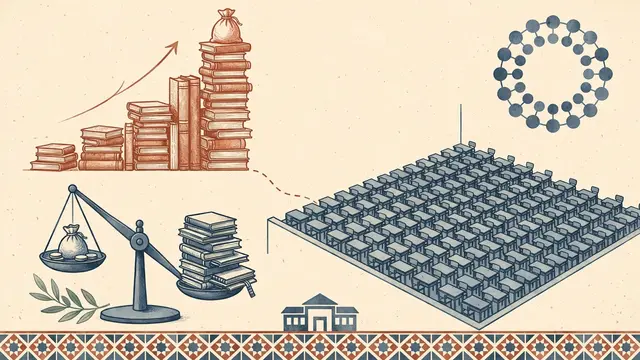
A new report from the EAG Education Organization reveals a dire situation within Israel's education system, characterized by overcrowded classrooms, low teacher salaries, and a significant number of educators leaving the profession. Israel ranks second among OECD countries for elementary school class sizes, with an average of 27.2 students compared to the developed countries' average of 20. In middle schools, Israel ranks third in class density.
The report highlights a worrying trend of teacher attrition, noting that a large majority of educators who leave the system do so within their first five years of employment. This exodus is linked to low compensation; Israeli teachers earn approximately 9% less than their OECD counterparts in elementary and middle schools, and about 7% less in high schools.
However, the report offers a glimmer of positive news regarding preschools, where teacher salaries are about 3% higher than the international average. Financially, Israel allocates a substantial portion of its government spending to education, ranking fourth among OECD nations with 14.7% of total government expenditure dedicated to the sector, compared to the OECD average of 11.6%.
The EAG report's findings paint a concerning picture of the challenges facing Israeli education, urging attention to these critical issues.