
Israel Fuel Prices Surge Significantly in October
Translated & summarized from Ice by baba
Fuel prices in Israel are set to increase significantly starting October 1st, 2026, with a liter of 95-octane gasoline reaching NIS 8.27. The rise is attributed to global energy market fluctuations and a stronger dollar.
The story in 5 lines · by baba
- Israeli fuel prices will jump significantly on October 1st.
- A liter of 95-octane gasoline will cost NIS 8.27.
- Global oil prices and a stronger dollar are cited as reasons.
- The increase impacts self-service and full-service stations.
- Eilat prices also see a notable rise.
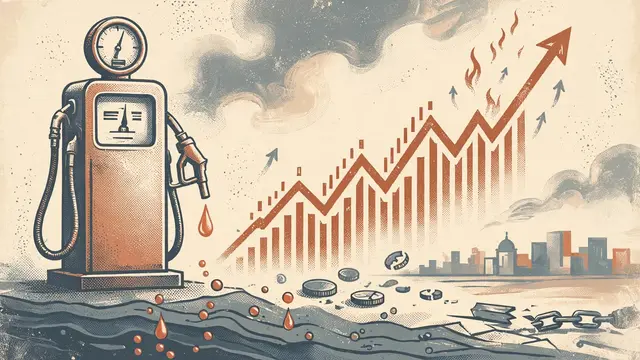
The Ministry of Energy and Infrastructure's Fuel and Gas Administration announced a substantial increase in supervised fuel prices, effective midnight between Wednesday and Thursday, October 1st, 2026. This price hike is expected to further strain the budgets of Israeli drivers.
The maximum price for a liter of 95-octane unleaded gasoline for self-service stations will rise by 52 agorot to NIS 8.27, including VAT. The additional charge for full service will remain unchanged at 26 agorot per liter, including VAT.
In Eilat, where VAT is not applied, the maximum price for a liter of 95-octane unleaded gasoline at self-service stations will increase by 44 agorot to NIS 7.01. The full-service surcharge in Eilat will also remain unchanged at 22 agorot, excluding VAT.
The administration cited global energy market developments as the primary reason for the increase. This includes a roughly 13% rise in international gasoline prices, driven by escalating global oil prices and ongoing concerns about oil supply disruptions and energy market instability. Additionally, a nearly 3% strengthening of the dollar against the shekel contributed to the higher fuel costs in Israel.
The new price incorporates the excise tax reduction that was in effect from September 7th, 2026, until the end of October 2026, which had lowered the price by 50 agorot per liter.
The same event, reported separately by each outlet. Open a few to compare what different newsrooms emphasize — and what they leave out.
Centre 6Right 5Haredi 1Arab 4Other 3



















