
Israel Braces for Weather Shift: Temperatures Drop, Rain Returns to North and Center
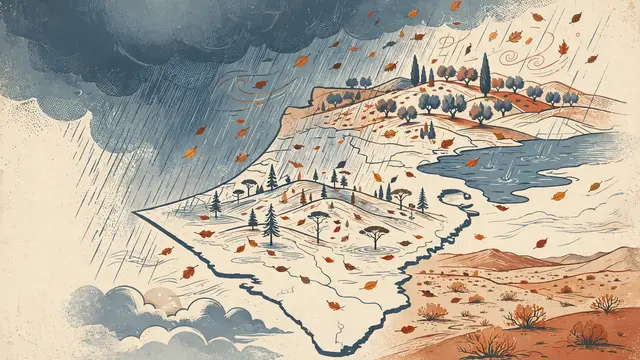
Israel is set to experience a significant shift in weather conditions starting Tuesday, moving away from the recent period of relative stability and seasonal temperatures. The coming days will see increasing cloud cover and a noticeable drop in temperatures, with local rainfall expected in northern and central regions. This transition marks a gradual move towards more autumnal weather patterns.
On Monday, the weather will remain mostly comfortable with partly cloudy to clear skies across most of the country. While central and southern areas will see a slight temperature increase, they will remain around the seasonal average. However, the north may experience some light, isolated showers, signaling the initial signs of the approaching change.
Tuesday is expected to bring a more pronounced shift, with partly to fully cloudy skies and falling temperatures, particularly in mountainous and inland areas. These temperatures will be lower than the seasonal average in some regions. Light drizzle or local rain is possible in the north, central areas, and along the coastal plain, creating a cooler and more pleasant atmosphere, especially in the mornings and evenings.
The cooling trend and local rainfall are forecast to continue into Wednesday, with cooler-than-average temperatures expected. Light rain may fall in the north and center, with potential for more significant cloud development in parts of the north, prompting a recommendation to monitor weather updates.
Thursday will see little change, with partly cloudy skies and continued below-average temperatures. Light local rain might still occur, primarily in the north and along the coast, while other areas are expected to remain more stable. This period of cooler weather and increased cloudiness signifies the onset of autumn, though it is not expected to be a major winter system but rather a moderate transitional event. Forecasters advise continued monitoring of updates due to the potential for rapid changes in weather predictions.
The same event, reported separately by each outlet. Open a few to compare what different newsrooms emphasize — and what they leave out.




Not the same event — other stories that share this one’s people, places, or theme: background, reactions, and follow-ups.


Ask About This Article
Duki reads it, and every newsroom on the same story, then answers with sources.