
Israel's Attorney General Asks High Court to Halt Communications Law
Translated & summarized from Arutz Sheva by baba
Israel's Attorney General has asked the High Court of Justice to freeze a new Communications Law, citing a flawed legislative process and significant defects. The law, which restructures broadcast regulation and allows new news channels, is challenged for its potential impact on free speech and press freedom, especially during an election period.
The story in 5 lines · by baba
- Attorney General requests High Court to freeze new Communications Law.
- Law cited as having a flawed process and substantive defects.
- Concerns raised about freedom of speech and press freedom.
- Timing during election period noted as particularly sensitive.
- Law restructures broadcast regulation and creates new news channels.
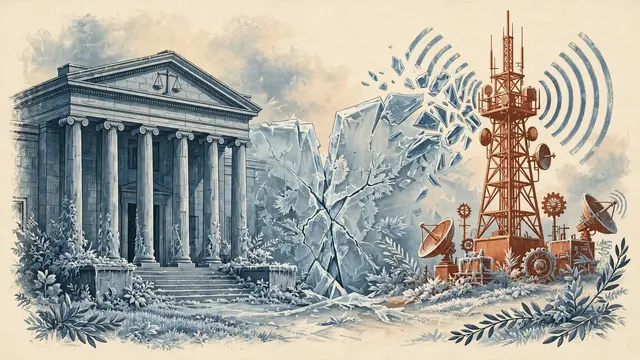
Israel's Attorney General, Gali Baharav-Miara, has requested an interim order from the High Court of Justice to freeze the implementation of the Communications Law, which was passed by the Knesset approximately two months ago. Baharav-Miara argued that the law was "passed through a flawed process" and contains "an extreme accumulation of substantive defects."
In her appeal, the Attorney General urged the court to halt the changes stipulated by the law until a final decision is made on petitions challenging it. She emphasized that the law's nature, particularly its impact on freedom of expression, press freedom, and the independence of media bodies, necessitates preventing the creation of a new reality before the court concludes its deliberations.
Baharav-Miara specifically highlighted the timing of the law's enactment, noting that "these matters gain added significance during an election period, when structural changes in the media market and news broadcasting may have particularly sensitive implications for public discourse and the conditions under which it takes place."
The law, championed by Communications Minister Shlomo Karhi at the request of Prime Minister Benjamin Netanyahu, restructures broadcast media regulation. It establishes a new Broadcast Authority, replacing the Second Authority and the Cable and Satellite Broadcasting Council, with an annual budget of NIS 25 million. The policy-setting council for this authority will be appointed by the Director General of the Communications Ministry. Additionally, the law permits the establishment of new news channels under limited regulation and removes the structural separation between television channels and their affiliated news companies.
Mentioned










