Israel on High Alert for Yom Kippur Amid Complex Security Threats
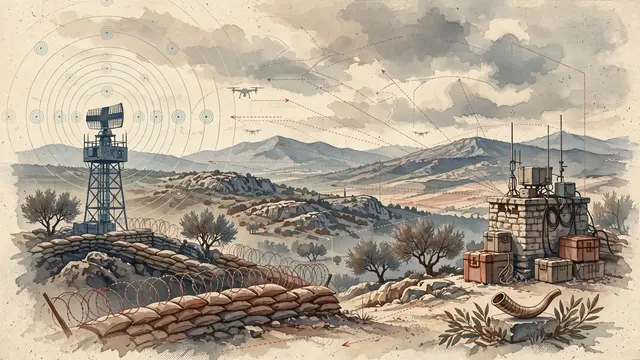
Israel's defense establishment is on heightened alert ahead of Yom Kippur, a period marked by complex security challenges and fragile ceasefires on various fronts. The Israel Defense Forces (IDF) have announced the completion of operational preparations across all sectors, from the Gaza Strip to the northern borders with Syria and Lebanon, as well as in Judea and Samaria. This year's readiness measures are significantly more stringent and extensive than in previous years, designed to counter any potential escalation or surprise attacks by terrorist groups. The preparations, which began before the High Holy Days, involved in-depth discussions led by the head of the Operations Directorate, in full cooperation with the Shin Bet security agency, Israel Police, and the Prison Service. To bolster readiness, combat forces have been significantly reinforced in all operational areas. Units undergoing training have been placed on alert, and all leaves and stand-downs for combat personnel have been canceled. In recent days, military forces conducted surprise drills and war games to test response times and the transition from defense to offensive operations. A senior military official confirmed the army is prepared for more distant threats, including from Iran, possessing a broad range of capabilities for immediate action and plans for a prolonged campaign. The overarching message from the high command is not to rely on hopes for quiet, with a senior officer describing the situation as "operational alertness required due to known operational vulnerability," emphasizing the goal of ensuring security forces can respond powerfully even if surprised during the holiday.
On the northern front, despite the ceasefire, the IDF continues rigorous defensive operations and proactive efforts to clear the area of Hezbollah infrastructure and tunnels, following recent targeted actions. Forces are working to destroy Hezbollah assets, understanding the need to prepare for a potential collapse of the current arrangement and a return to full-scale conflict. Tensions in the north were highlighted when two IDF soldiers were lightly injured by a roadside bomb, underscoring the danger posed by older terrorist infrastructure. In response, the IDF conducted strikes within Lebanon. Defense officials acknowledge that Hezbollah, despite suffering significant blows and being considered weakened, is using the time to rearm and remains hostile towards Israel.
The operational picture in the Gaza Strip is described as relatively stable for the IDF. However, senior military officials caution against complacency, noting that despite severe damage to Hamas, the organization's infrastructure and operatives still pose a threat. A senior officer indicated that if the security situation necessitates it, a ground maneuver in the Strip might be required to complete the dismantling of terrorist groups' military capabilities. Concurrently, intelligence and operational efforts continue in the home front and other circles. The Shin Bet recently announced the arrest of 12 terrorists in Judea and Samaria and other locations who actively participated in the October 7th massacre, as part of broader efforts to hold accountable all those involved and thwart new organizations ahead of the tense holiday period.
The same event, reported separately by each outlet. Open a few to compare what different newsrooms emphasize — and what they leave out.





Not the same event — other stories that share this one’s people, places, or theme: background, reactions, and follow-ups.