
Israelis Echo Begin's Yom Kippur War Questions Amidst Current Security Failures
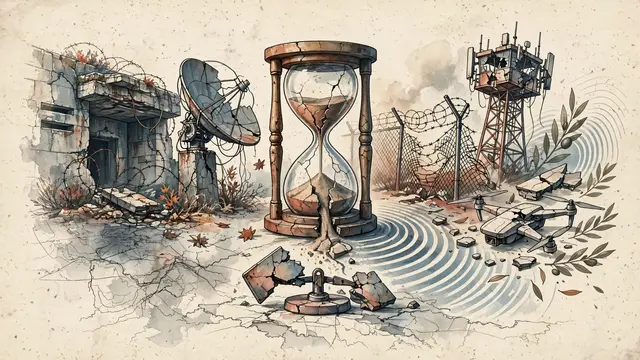
Fifty-three years after Menachem Begin's impassioned Knesset speech questioning the government's preparedness for the 1973 Yom Kippur War, millions of Israelis are asking similar questions regarding the October 7th Hamas attack. Begin, deeply pained by Israel's surprise and heavy losses, had decried the ignored intelligence warnings and the failure to mobilize reserves and "bring the tools closer" to the borders.
Today, parallels are drawn to the perceived failures leading up to the October 7th massacre. The article highlights that despite warnings from Egypt and the UAE, and ongoing intelligence, only four battalions were stationed near Gaza compared to thirty-two in the West Bank. This perceived "abandonment" is linked to the "genocide" perpetrated against residents of the western Negev.
The piece suggests that the government's prior stance of viewing Hamas as an "asset" that could prevent a Palestinian state contributed to this catastrophic failure, a concept that may have permeated military and intelligence circles. The author criticizes the approach of engaging with an enemy openly declaring genocidal intentions against Jews, citing the transfer of hundreds of millions of dollars to Hamas.
Begin's 1973 demand for full government responsibility is recalled, where he questioned the moral authority of a leadership that failed in such a critical matter. He also raised questions about accountability, suggesting the Prime Minister bore ultimate responsibility. While Begin's outcry didn't immediately lead to the government's resignation, it fueled public pressure, resulting in a state inquiry and eventually Golda Meir's resignation in 1974, paving the way for Begin's premiership in 1977.
The article contrasts this with the current situation, noting a lack of accountability from the political echelon three years after the October 7th massacre. It draws a parallel to Begin's own acceptance of full responsibility for the failures of the First Lebanon War, which ultimately led to his resignation. The author concludes by posing a question to the Israeli public about their choice in the upcoming elections: a repeat of the 1977 upheaval or a continuation of the current leadership.
The same event, reported separately by each outlet. Open a few to compare what different newsrooms emphasize — and what they leave out.

Not the same event — other stories that share this one’s people, places, or theme: background, reactions, and follow-ups.



