Iran Resumes Ballistic Missile Production Despite Wartime Damage

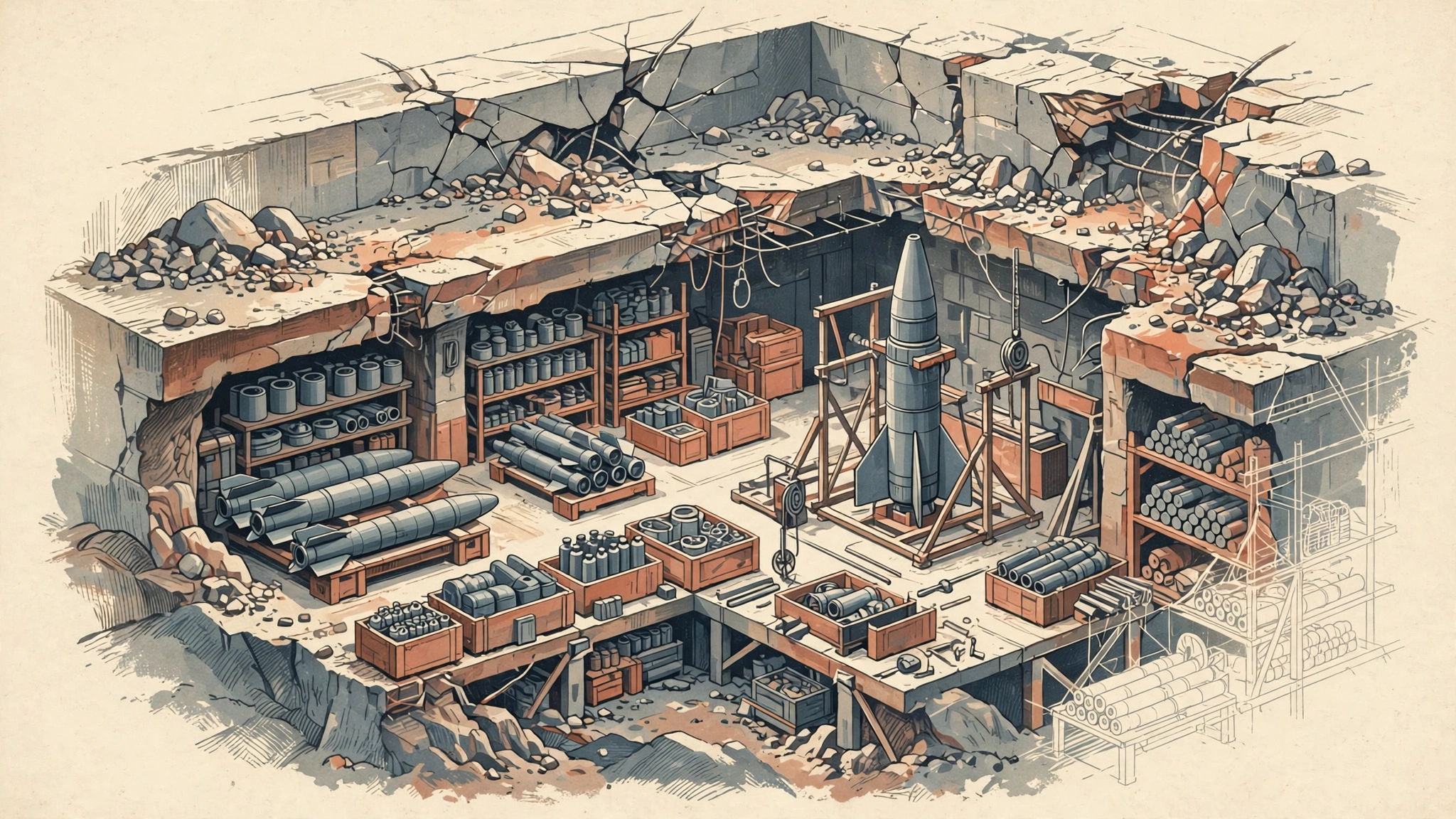
Iran has restarted the production of its ballistic missiles in underground facilities, despite significant damage to its missile systems and military industry during Operation "Lion's Roar." This resumption involves assembling both liquid-propellant and solid-propellant missiles, utilizing components Iran had stockpiled before the conflict. Intelligence indicates activity at several underground sites, including the Khujir missile facility southeast of Tehran. According to American and Middle Eastern sources familiar with the matter, Iran is also attempting to establish new underground assembly points to enhance protection against future strikes.
Currently, production is at a reduced scale compared to pre-war levels. Israeli and American strikes targeted key industrial facilities necessary for missile production and components, while a naval blockade has hampered Iran's ability to import materials for solid-fuel production. One American official suggested that Iran likely resumed low-rate production following initial agreements with the United States in mid-June, estimating Tehran possesses enough existing components to assemble several hundred missiles.
The pace of this recovery is contingent on the quantity of components Iran managed to preserve and the operational status of its remaining underground facilities. The report follows extensive Israeli and American strikes during "Lion's Roar," which reportedly disabled approximately 60% of Iran's ballistic missile launchers and hit weapons storage and production infrastructure. The renewed assembly efforts suggest that despite severe damage to its production capabilities, Iran retains some capacity to rebuild its missile arsenal.
The same event, reported separately by each outlet. Open a few to compare what different newsrooms emphasize — and what they leave out.











Not the same event — other stories that share this one’s people, places, or theme: background, reactions, and follow-ups.

