
Lebanon Faces School Year Crisis Amid Displacement and Destruction
Translated & summarized from Arab48 by baba
Lebanon faces a critical educational crisis as the new school year approaches, with thousands of students displaced by conflict living in damaged schools and facing financial hardship for educational necessities. Many schools have been destroyed or damaged, impacting over 100,000 children.
The story in 5 lines · by baba
- Thousands of Lebanese students are displaced and living in schools ahead of the new academic year.
- Many schools in southern Lebanon have been destroyed or severely damaged by conflict.
- Families face uncertainty about housing and the cost of education for their children.
- Over 340,000 people remain displaced due to destruction or occupation of their towns.
- A political solution and ceasefire are deemed necessary to resolve the educational crisis.
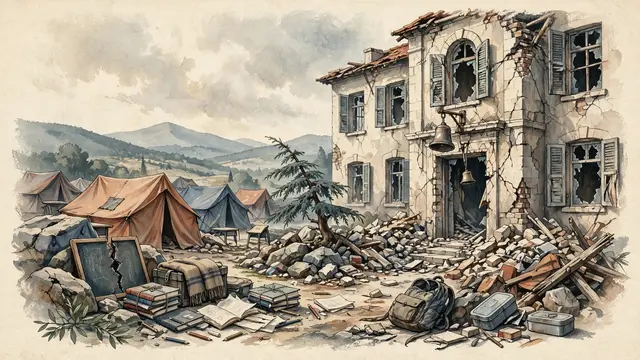
As Lebanon prepares to start its new school year on September 15, thousands of students displaced by the ongoing conflict with Israel remain housed in schools, creating a severe crisis for education. Many families have been living in public schools, which have been converted into shelters, for six months since the war began. Others are crammed into rented apartments with extended family.
Families like that of Najah Ammar, a grandmother from the coastal village of Al-Mansouri, are facing uncertainty. She fled Israeli airstrikes to a public school in the city of Tyre, where around 200 other families are currently residing. Ammar worries about where they will live if the school reopens and how her grandchildren will catch up on years of lost education due to repeated conflicts since 2023. "My son's daughter, eight years old, was in the second grade and is still in the second grade. Now I don't know what they will do," she stated.
The Lebanese Ministry of Health reported over 4,300 deaths and 12,000 injuries, including many children, since March 2. While most of the over one million displaced people have returned home, more than 340,000 remain displaced because their towns are destroyed or occupied. Rola Al-Awad, another displaced mother, expressed concern about affording school supplies and uniforms for her children, despite her desire for them to resume their education.
According to the Lebanese Ministry of Education, approximately half of the 80 public schools still housing displaced individuals will be cleared for the academic year. However, about 30 schools will operate partially while still accommodating refugees, and nine will remain fully dedicated to shelter. Furthermore, 50 public schools have been destroyed or severely damaged, with over 200 others sustaining minor damage. The United Nations estimates that these impacts will affect at least 100,000 children.
The Lebanese army reported that Israeli forces detonated a public school and kindergarten in Zawtar Al-Sharqiyeh last month. Lebanon's Education Minister, Rima Karami, aims to ensure displaced students can continue their education in their home areas or new locations. Save the Children, supporting a school in Tyre, believes only a sustained ceasefire can resolve the crisis, with its Canadian head, Danny Glenwright, stating, "The children we spoke with... know what the solution is. The solution is political, there is no humanitarian solution available here."