Half a Year Into Iran-Israel Conflict, Economic Struggles Fuel New Protest Fears
Translated & summarized from Ynet by baba
Six months after Israel's major strike on Tehran, the conflict with Iran continues amid shifting U.S. tactics focusing on economic sanctions. Despite hopes for regime change, many Iranians face severe economic hardship and fear new protests. Iran's leadership calls for unity while the U.S. refuses negotiations, intensifying economic pressure on Tehran.
The story in 6 lines · by baba
- Israel attacked Tehran six months ago, targeting Ali Khamenei's compound, starting an ongoing conflict.
- U.S. President Trump declared himself a key partner and shifted focus to economic sanctions against Iran.
- Iranian citizens face rising fuel prices, food shortages, and fear renewed protests despite harsh regime crackdowns.
- Iran's Supreme Leader urged citizens to avoid despair and maintain national unity amid sanctions.
- Mossad chief called for escalation, expressing optimism about regime collapse, but many Iranians doubt this outcome.
- Trump refuses talks with Iran and the U.S. administration rejects resuming prior agreements, intensifying economic warfare.
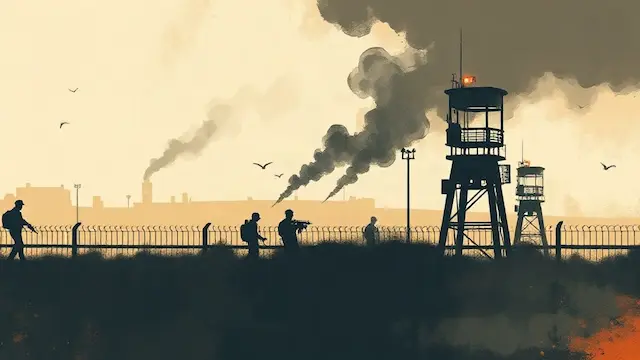
Today marks six months since Israel launched a major attack on Tehran at 08:10, dropping tons of bombs on the compound of Ali Khamenei, igniting a prolonged conflict that continues to evolve. The campaign recently shifted under U.S. President Donald Trump, who declared himself a "major partner" in the war and has moved focus toward economic sanctions aimed at crippling Iran. Despite Trump's aggressive rhetoric, including his statement that he is no longer "Mr. Nice Guy," Iran's Supreme Leader Mojtaba Khamenei urged citizens to avoid despair in a public address.
Trump initially hoped Iran would halt executions and change course, but after no such change, he launched the conflict alongside Israel following a White House briefing by Prime Minister Netanyahu and top security officials, including Mossad chief Yossi Cohen. Mossad head David Barnea recently called for escalation, expressing optimism about the regime's eventual fall. However, a New York Times report reveals many Iranians have lost hope for regime collapse and are primarily concerned with survival amid growing economic hardship.
The U.S. has now signaled a pause in direct attacks, shifting to a strategy of economic strangulation. Secretary of State Marco Rubio indicated the campaign will focus on economic pressure to force Iran to comply with U.S. demands on its nuclear program and the reopening of the Strait of Hormuz. Yet, Iranians remain defiant, convinced their regime has defeated global opposition. Rising fuel prices, long lines at gas stations, and food shortages, including increased prices for staples like Pakistani rice, have sparked fears of renewed protests similar to those in 2019, which were violently suppressed.
In response to these tensions, Khamenei praised government efforts despite sanctions and urged national unity and resilience. Iranians interviewed by the New York Times expressed that economic revolt is unstoppable by war or violence, describing a bleak reality of hunger, confusion, and chaos. Iranian government spokesperson Fatemeh Mohajerani acknowledged economic difficulties but vowed to overcome them through unity. Meanwhile, Trump reiterated his refusal to engage in talks with Iran, and reports indicate the U.S. administration has repeatedly told intermediaries it has no interest in resuming the June memorandum of understanding with Tehran. A senior Iranian official described the U.S. measures as an "all-out economic war," following Treasury announcements to sever Iran from trade partnerships in what Trump calls an "economic D-Day."
Mentioned
The same event, reported separately by each outlet. Open a few to compare what different newsrooms emphasize — and what they leave out.
Centre 2

Not the same event — other stories that share this one’s people, places, or theme: background, reactions, and follow-ups.