Full coverage· Politics· Updated
Netanyahu Willing to Serve Second in Rotation; Legal Hurdles Examined
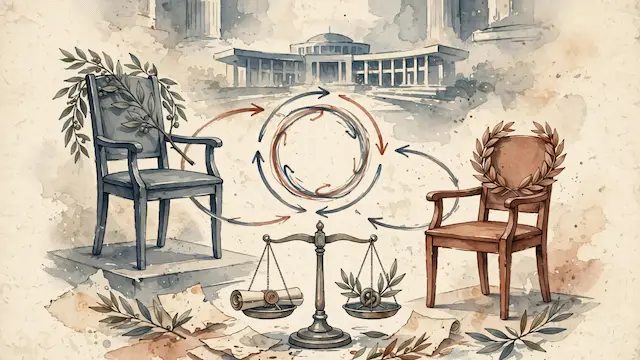
Benjamin Netanyahu has agreed to be second in a rotation with Gadi Eisenkot, potentially forming a unity government. However, legal precedents, specifically the "Deri-Pinhasi precedent" from 1993, may prevent Netanyahu from serving as a minister while facing indictment.
2 newsrooms · 1 language · since

Plus
What happened
- 01Benjamin Netanyahu agreed to be second in a rotation with Gadi Eisenkot, potentially forming a unity government.
- 02Serving as a minister while facing indictment presents a significant legal obstacle for Netanyahu.
- 03The 1993 "Deri-Pinhasi precedent" requires Prime Ministers to dismiss ministers with serious indictments.
- 04Legal experts suggest Netanyahu's appointment as minister is likely impossible due to this precedent.
- 05Legislation could potentially override the precedent, but may face legal challenges.
- 06Netanyahu could legally serve as Prime Minister in the latter part of a rotation, according to past rulings.
The Supreme Court previously ruled that an indictment does not disqualify someone from serving as Prime Minister, suggesting Netanyahu could legally hold that role in the latter part of a rotation.
The coverage
2 newsrooms on this story
Who covered it
- LeftNone
- CentreNone
- RightNone
- HarediNone
- ArabNone
- Other2
How it broke
See which of the 2 newsrooms broke it, and who waited