
US Intensifies Strikes on Iran Infrastructure as Tehran Threatens Regional Retaliation
תומצת מתוך Behadrei Haredim על ידי baba
The US has intensified strikes on Iranian infrastructure for the fifth night, targeting energy and communication sites. Iran warns of regional retaliation, emphasizing control over the Strait of Hormuz. Israel remains cautious but prepared for possible direct conflict, while diplomatic efforts to resolve tensions continue amid mutual accusations.
הידיעה ב-6 שורות · תקציר של baba
- US expands strikes on Iranian infrastructure and energy facilities for fifth consecutive night.
- Iran threatens regional retaliation, emphasizing control over the Strait of Hormuz.
- Kuwait intercepts 32 drones amid ongoing Iranian attacks on Gulf states and US bases.
- Israel assesses Iran avoids direct conflict with it but remains prepared for possible attacks.
- Two scenarios could draw Israel into conflict: direct Iranian attack or US request for Israeli involvement.
- Diplomatic talks continue with no official withdrawal, but freedom of navigation in Hormuz remains disputed.
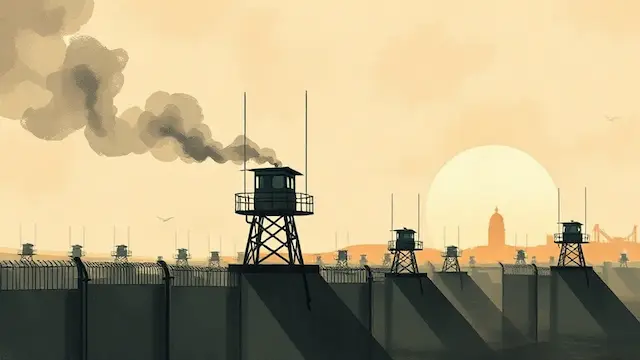
The United States has escalated its attacks against Iran for the fifth consecutive night, expanding its target list to include infrastructure and energy facilities, according to the US Central Command. Recent strikes reportedly hit a communications tower near Bandar Abbas, the Iranian Shahr airport, and a bridge on the Bandar Abbas-Shiraz route. Additional explosions were reported in other areas, including power outages in Khuzestan province.
Iran has responded with stern warnings, stating it will retaliate against regional infrastructure if US attacks continue. An Iranian military spokesperson emphasized Tehran's determination to maintain control over the Strait of Hormuz and threatened reciprocal strikes on regional infrastructure. The escalation is also affecting Gulf countries; Kuwait reported intercepting 32 drones since morning amid ongoing Iranian launches targeting regional states and US bases in the Middle East.
Israeli security officials assess that Iran currently prefers to avoid direct confrontation with Israel, focusing its conflict mainly against the US and Gulf states. However, Israel remains prepared for possible direct Iranian attacks. Jerusalem identifies two main scenarios that could draw Israel into the conflict: a direct Iranian strike on Israeli territory or a formal US request for Israeli participation in the strikes. Neither scenario has materialized yet. A senior Israeli official warned Iran would pay a heavy price if it attacks Israel, echoed by Prime Minister Benjamin Netanyahu, who promised a stronger response than before.
Meanwhile, mediation efforts continue around a US-Iran memorandum of understanding. Representatives from Pakistan, Egypt, and Qatar report no official withdrawal from the agreement by either side, though freedom of navigation in the Strait of Hormuz remains a key sticking point. The White House states Iran remains engaged in talks and interested in a deal but accuses Tehran of violating agreements through attacks on Gulf countries. Israeli officials remain deeply skeptical about reaching a stable agreement with Iran.
מוזכרים
אותו אירוע, כפי שכל מערכת דיווחה עליו בנפרד. פתחו כמה דיווחים כדי להשוות מה כל מערכת מדגישה, ומה היא משאירה בחוץ.
מרכז 2ימין 3חרדית 1




